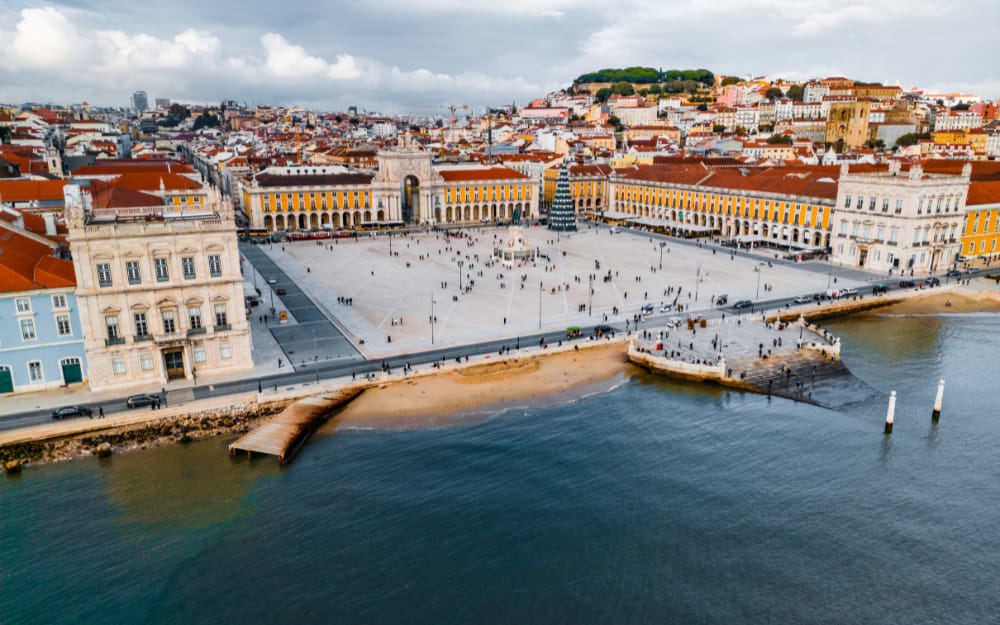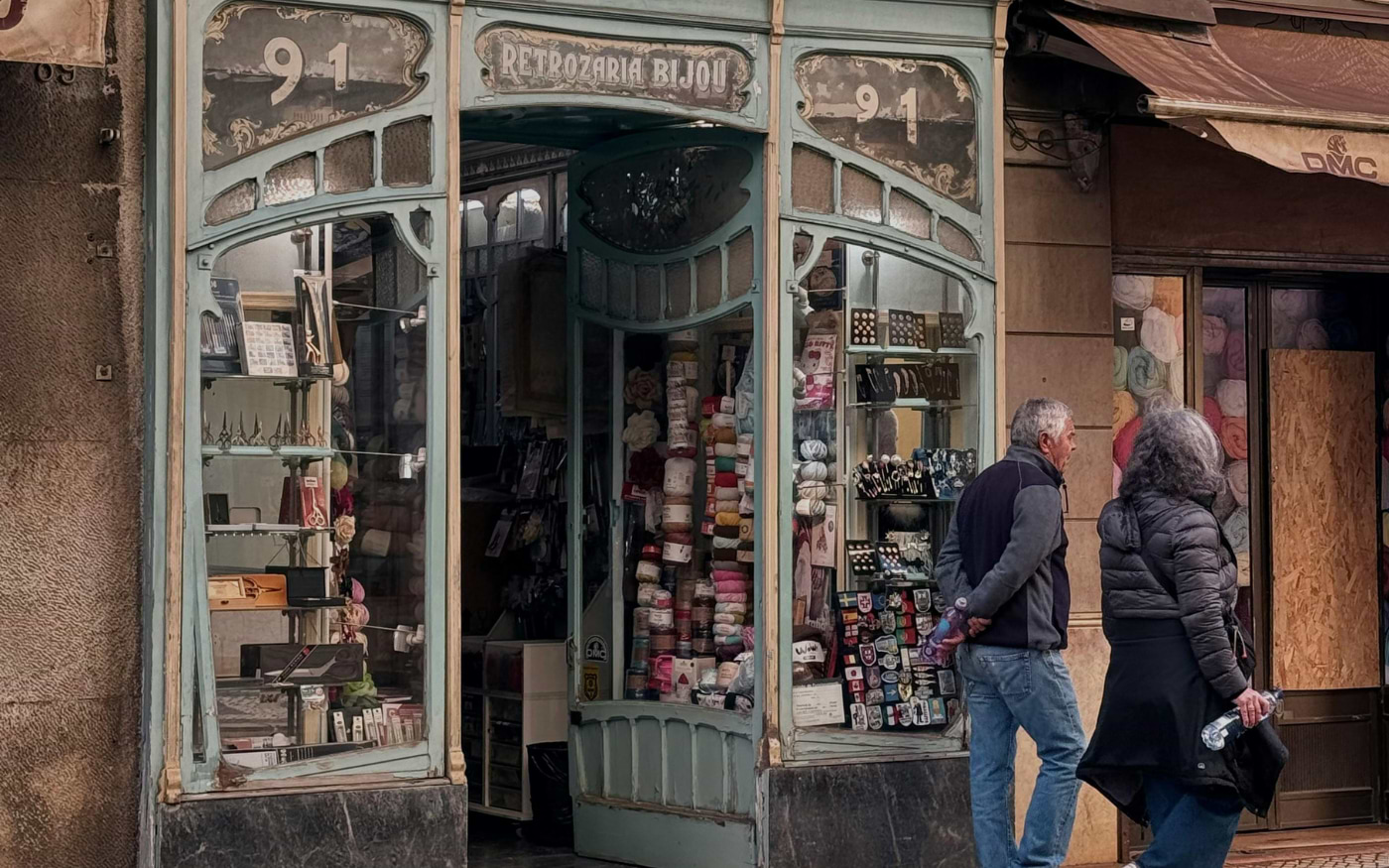
What to Buy in Lisbon: A Shopper's Guide to Best Souvenirs
Lisbon shopping happens in doorways the width of a wardrobe. On Rua dos Bacalhoeiros, a man wraps a tin of sardines in coloured paper, folds the ends like a birthday present and hands it over with both hands. Two streets uphill, a shop sells nothing but tiles that factories stopped making in 1962. Round the next corner, a pharmacy stacks toothpaste in packaging unchanged since the 1930s.
Deciding what souvenirs to buy in Lisbon is mostly a question of weight. That contrast between old and new runs through the whole city. There are global chains on the main avenues and, five minutes away, family shops that have sold the same six products for a century. Most of the good stuff costs less than your taxi to the airport.
This guide runs through ten categories worth your luggage allowance, from tinned fish and azulejos to cork, wool and 19.2 karat gold. Apart from this, you will learn which shopping centres justify a metro ride, and whether the outlets outside town deserve half a day of your holiday.
Shopping in Lisbon at a glance:
|
Category |
What to buy |
Where |
|
Food and drink |
Tinned sardines, olive oil, ginjinha |
Conserveira de Lisboa, Baixa |
|
For the house |
Azulejos, Bordallo Pinheiro ceramics |
Fábrica Sant'Anna, Chiado |
|
Cork |
Bags, wallets, umbrellas |
Pelcor, Príncipe Real |
|
Bathroom shelf |
Claus Porto soap, Couto toothpaste |
Any pharmacy |
|
Wearables |
Burel wool, leather gloves, filigree |
Chiado, Rua do Ouro |
|
Luxury |
International and Portuguese labels |
Avenida da Liberdade |
Now, let’s dive deep into our shopping guide to Lisbon.
1. Tinned fish, and how to choose the best one
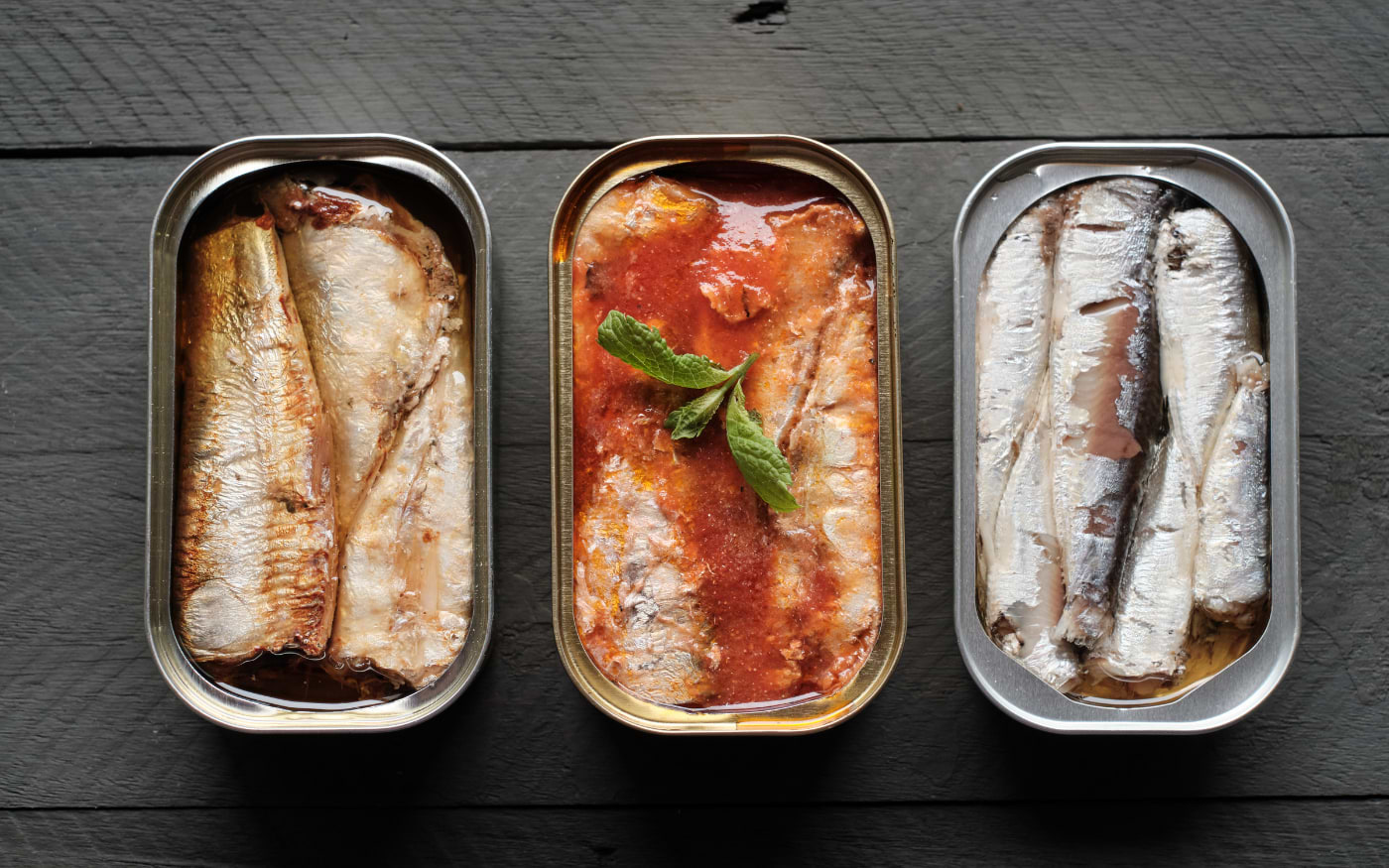
Portugal treats canned fish the way France treats cheese. Conserveira de Lisboa at Rua dos Bacalhoeiros 34 has been at it since 1930, selling its own labels: Tricana, Prata do Mar, Minor. The tins are still wrapped by hand.
What is worth buying:
- Sardines in olive oil, the default gift, roughly €3 to €6 a tin
- Sardine or mackerel pâté, good for anyone who claims to dislike tinned fish
- Smoked mussels, or cockles in escabeche, both better than they sound on toast
- Tuna belly (atum ventresca), the expensive one at €8 to €15, and the one to keep for yourself
- Salt cod in oil, ready for a quick bacalhau salad at home
Loja das Conservas on Rua do Arsenal is worth the short walk. It stocks tins from canneries across the whole country, including Ramirez, which has been in business since 1853. The staff will happily explain the differences between producers if you ask.
If you would like the packaging to be part of the present, visit O Mundo Fantástico da Sardinha Portuguesa on Rossio. Every tin is printed with a single year, so you can give someone the year they were born. The presentation is included in the price: around €5 or €6 for a tin that sells for €2 in a supermarket.
For larger quantities, the supermarkets are the sensible choice. Pingo Doce and Continente stock many of the same brands at everyday prices, and the fish inside is identical.
2. Azulejos, ceramics and porcelain
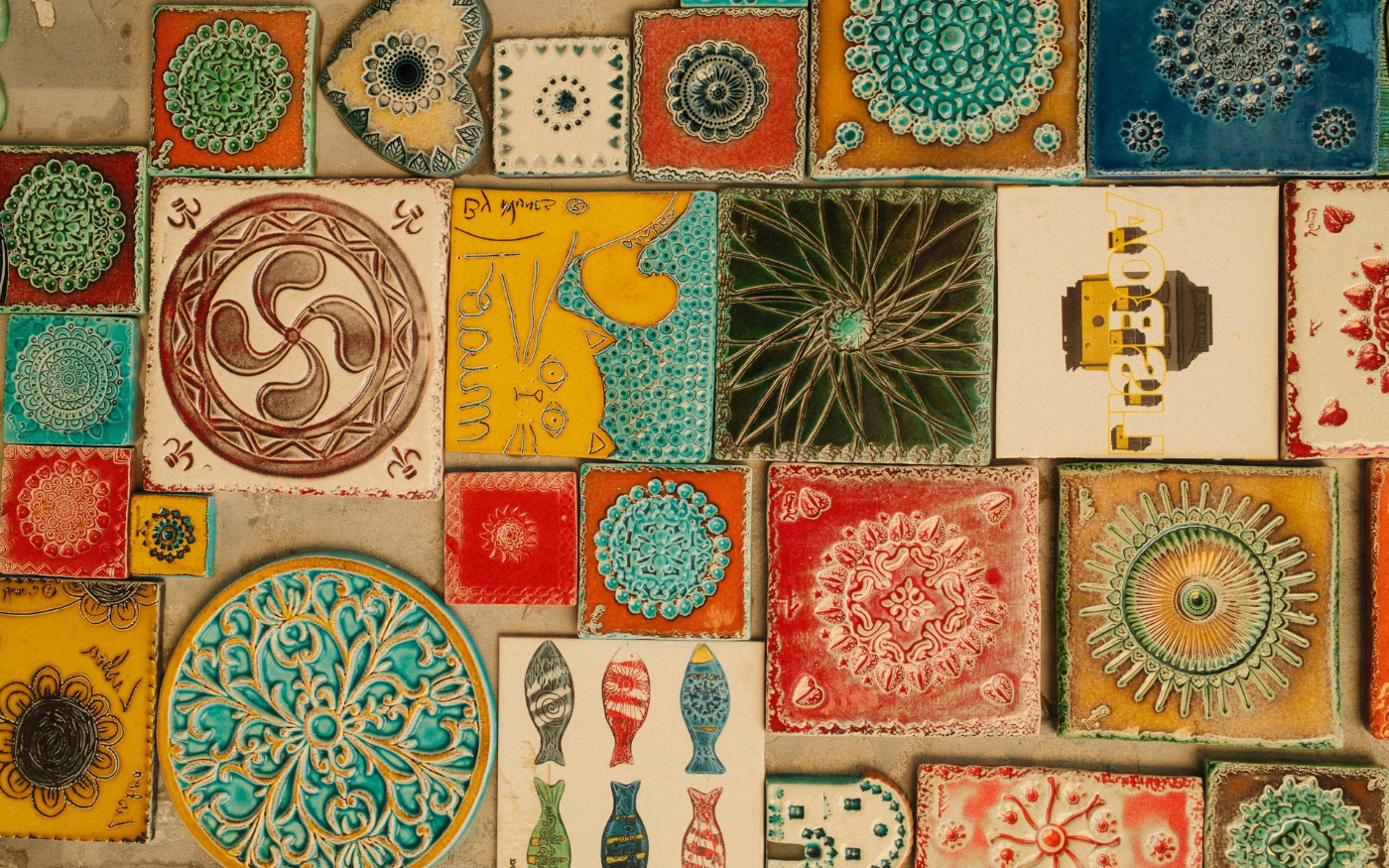
Tiles are the thing most people photograph in Lisbon and then wish they could take home. You can, provided you buy new tiles or older stock with a documented history. Removing a tile from a building is theft, and Lisbon has protected tiled façades by law since 2017. A reputable dealer will tell you which building their antique tiles came from.
Four reliable options:
- Fábrica Sant'Anna, Rua do Alecrim: hand-painted since 1741, single tiles from around €15
- Viúva Lamego, Largo do Intendente: founded in 1849, with a tiled shopfront that doubles as the shop window
- Cortiço & Netos, Calçada de Santo André in Graça: discontinued factory tiles from the 1950s to the 1990s, sold piece by piece
- The Museu Nacional do Azulejo shop: accurate reproductions, sold with a receipt
For the table, Bordallo Pinheiro has been pressing cabbage leaves into earthenware in Caldas da Rainha since 1884. A dinner plate costs roughly €25 to €35. The ceramic swallows, sold in graduated sets, are among the most recognisable pieces you can bring home. Vista Alegre porcelain, in production since 1824, is the more formal option, with a flagship on Largo do Chiado.
3. Cork
Portugal grows about half the world's cork, most of it in the Alentejo. Cork fabric is light, water resistant and easy to wipe clean, which makes it a practical alternative to leather.
- Bags and backpacks, €40 to €200 depending on the hardware
- Wallets and card holders, €15 to €35, the easiest thing to pack flat
- Umbrellas with cork handles, a Pelcor speciality in Príncipe Real
- Hats, aprons, notebook covers and pet leads at Cork & Co in Bairro Alto
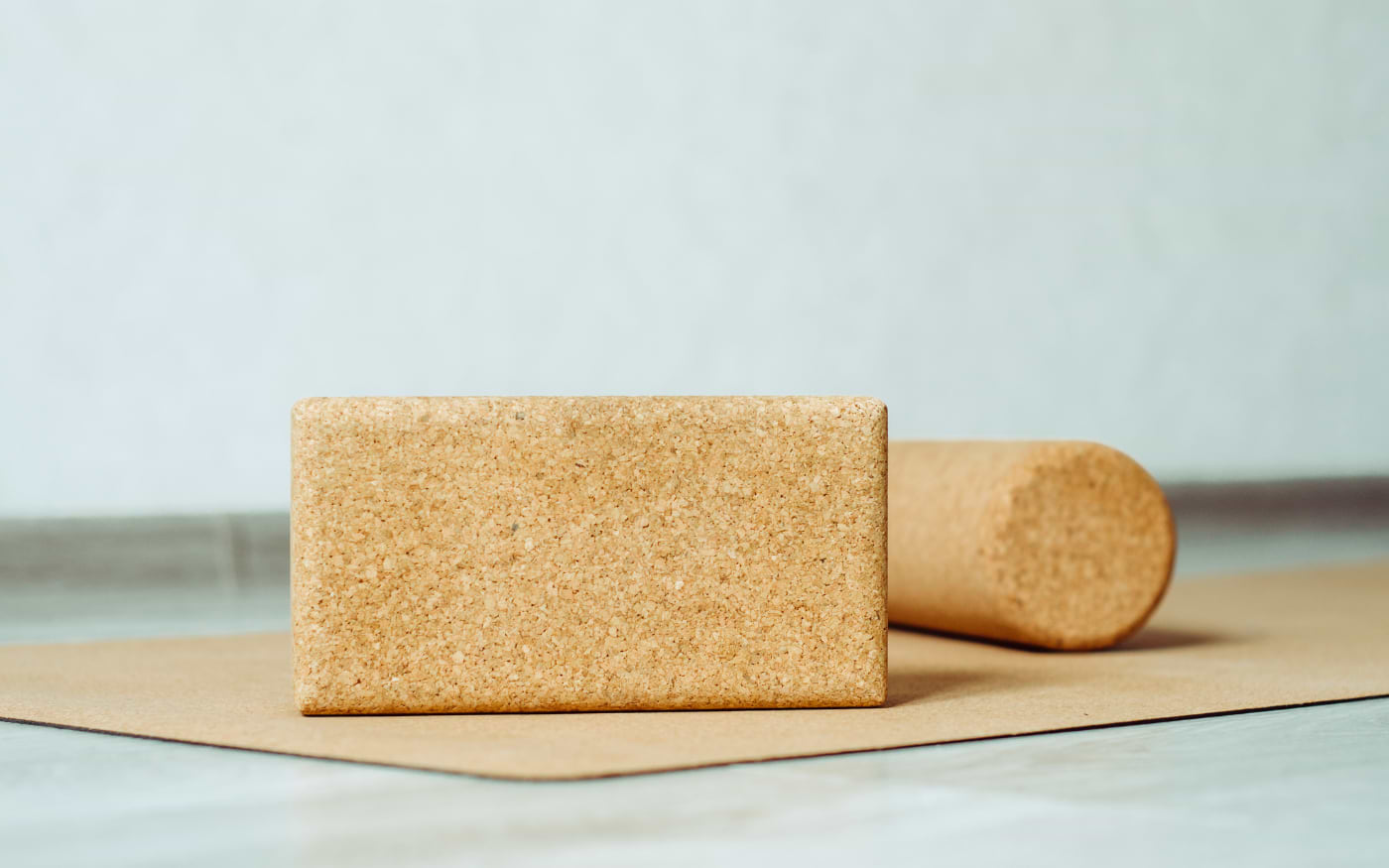
- Cork-soled sandals, and yoga blocks if you have the space
Look closely at the seams before you buy. Lower quality cork sheeting tends to lift where it has been stitched, and it cannot really be repaired afterwards.
4. Food for the pentry
Olive oil deserves more attention than it usually gets. Look for Alentejo or Trás-os-Montes DOP oils, or bottles from Esporão and Cartuxa. Expect to pay around €8 for a good everyday oil and €20 for one you will use sparingly. Then add:
- Flor de sal, hand-harvested at Castro Marim or Rio Maior, €4 to €8 a jar
- Piri-piri sauce and dried malagueta chillies
- Ground coffee from Casa Pereira da Conceição on Rua Augusta, open since 1933
- Loose leaf tea from Companhia Portugueza do Chá on Rua do Poço dos Negros
- Quince paste (marmelada), Elvas plums, dried figs and almonds
- Cheese: buttery Serra da Estrela DOP, or Queijo de Azeitão
For cheese and cured pork, go to Manuel Tavares near Rossio, in business since 1860, or Manteigaria Silva on the same square. Ask for it to be vacuum-packed (em vácuo), and check your own country's import rules before buying a whole cheese.
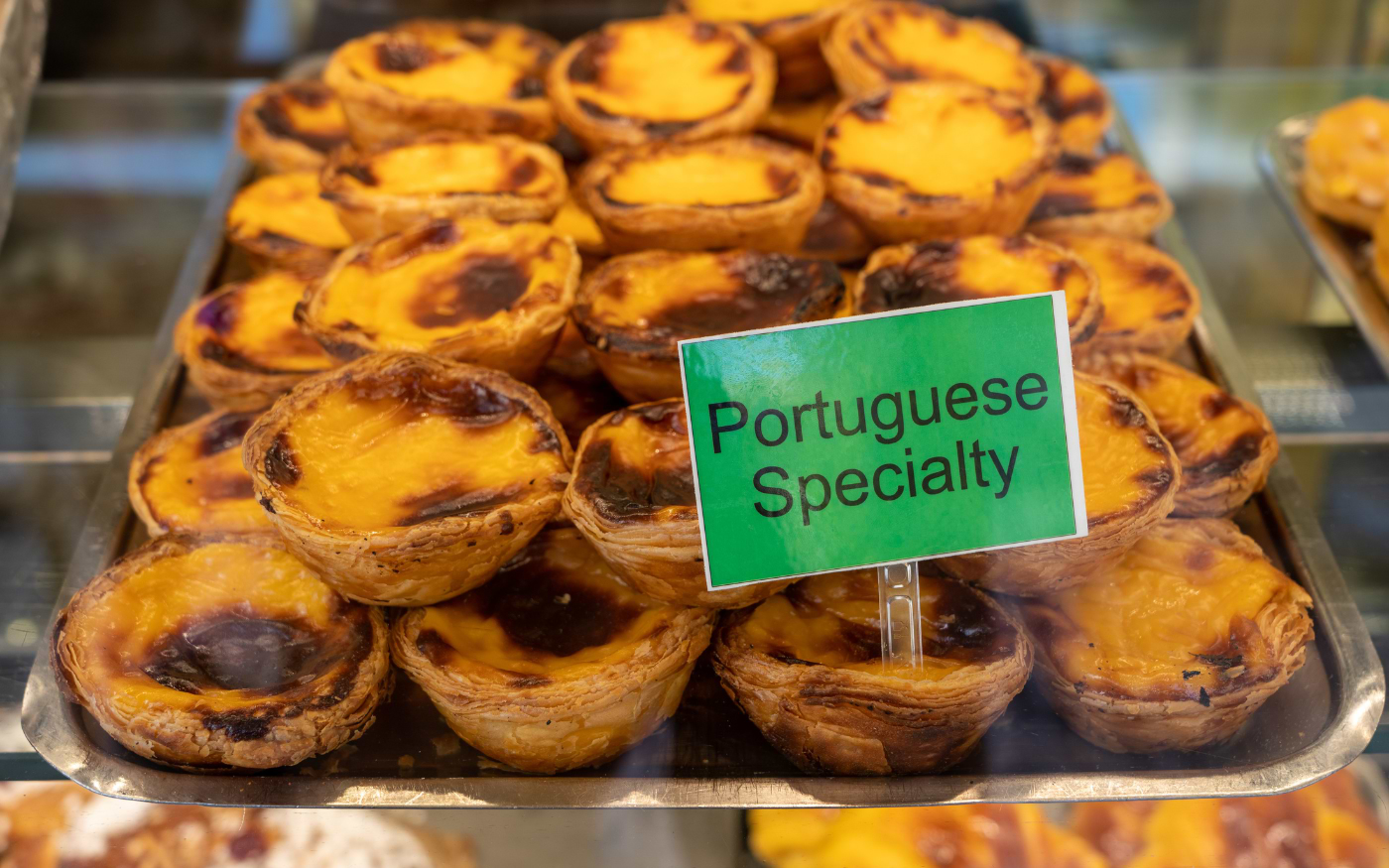
Pastéis de nata are a different matter. Pastéis de Belém has used the same recipe since 1837 and packs them in a cardboard tube. They travel for a few hours before the pastry softens, so eat them on the day you buy them.
5. Drinks: Ginjinha and wine
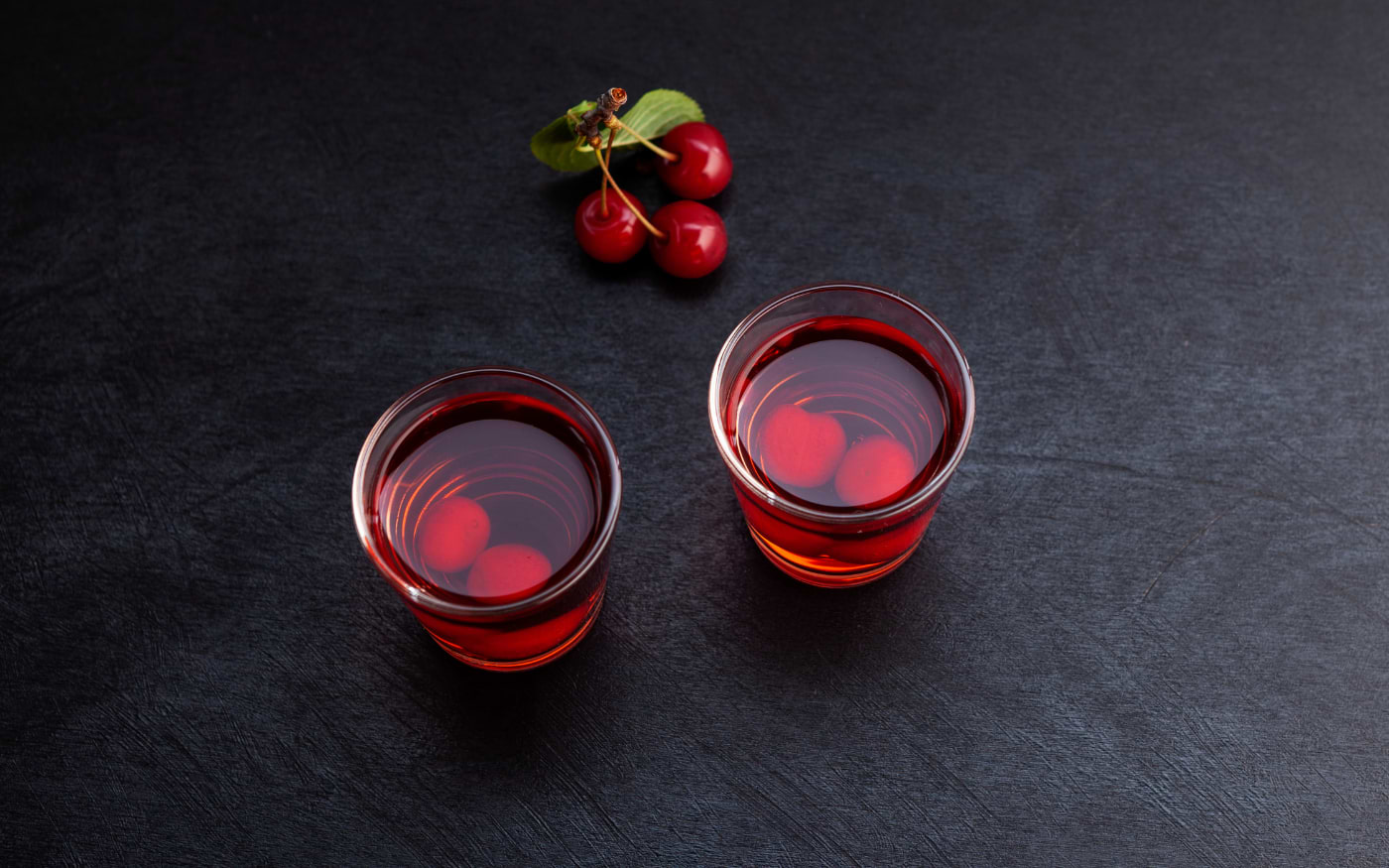
A Ginjinha on Largo de São Domingos has served sour cherry liqueur since 1840. A shot at the counter costs about €1.50 and is drunk standing up. A bottle to take home costs €8 to €12, and the version with the cherries left in makes the better gift.
Wine is one of the city's real advantages, because several appellations from the Lisbon region are rarely exported:
- Colares, grown in the sand dunes near Sintra
- Bucelas, dry Arinto whites from just north of the airport
- Moscatel de Setúbal, sweet and scented with orange peel, at roughly half the price of comparable dessert wines
- Douro reds, Alentejo blends and Vinho Verde for everyday drinking
- Aged Madeira and vintage Port if you have more to spend
Garrafeira Nacional on Rua de Santa Justa, open since 1927, keeps its older bottles behind glass, and the staff will talk you through them. Napoleão on Rua dos Fanqueiros is the practical choice, with padded bottle sleeves for about €3 and boxes made for hold luggage. Licor Beirão, amêndoa amarga and a bottle of Douro aguardente are also worth the space.
6. Soap, cream and the old pharmacy products
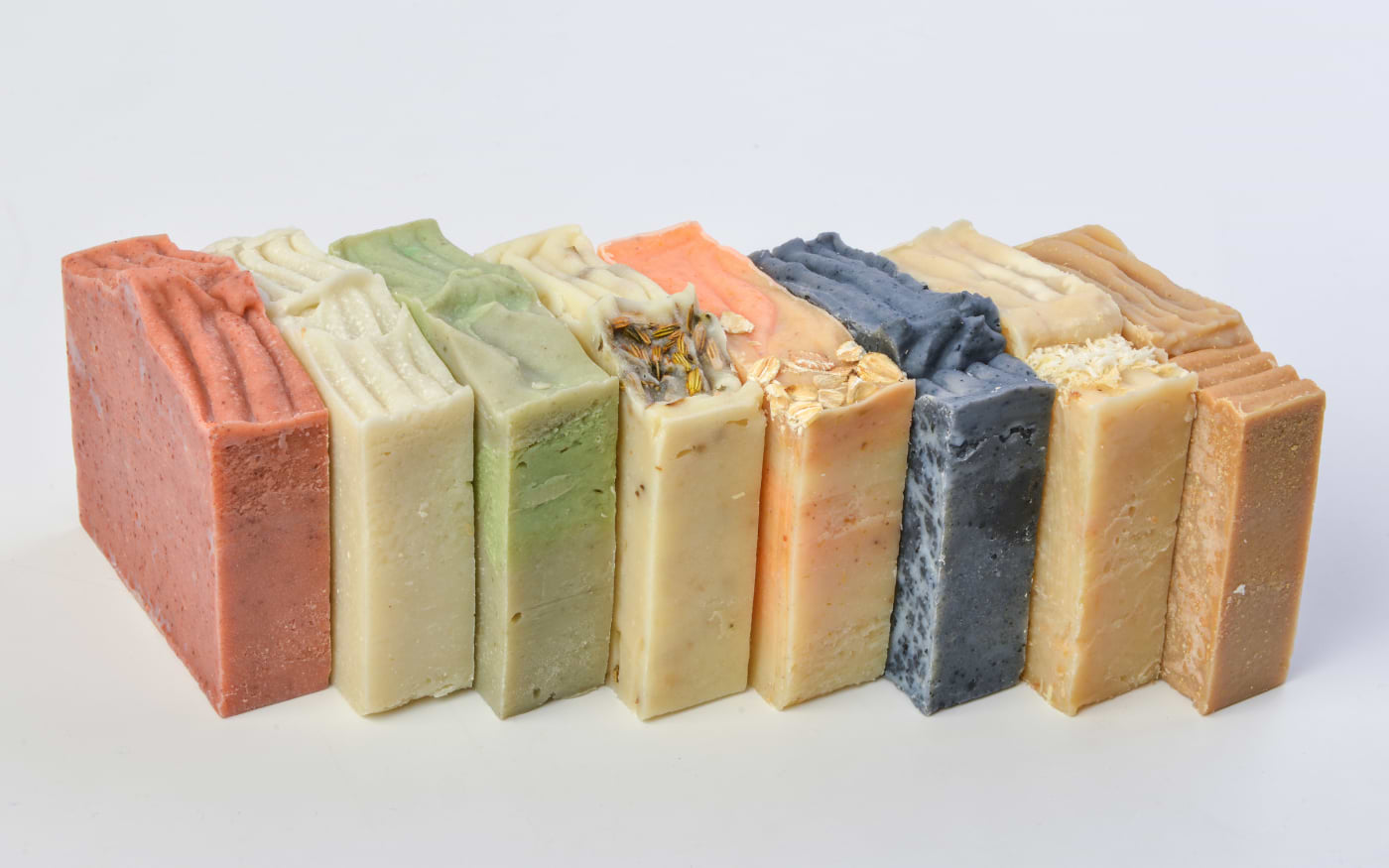
Portuguese soap is very good value and packs easily. Claus Porto has been making it since 1887 and wraps each bar in printed paper that people tend to keep. Expect €10 to €15 a bar at the flagship on Rua da Misericórdia.
Confiança, founded in 1894, and Ach Brito cost less and are just as good. Their Musgo Real shaving soaps and colognes sell for €4 to €12. Benamôr, a Lisbon brand from 1925, still sells its Alantoine face cream in the original tube.
Couto toothpaste is the other classic. Made in Porto since 1932, it comes in a pink and white tube, tastes strongly of mint and costs about €4. Buy all of these in a “farmácia” (Portugues for a pharmacy) or a supermarket, where the prices are lower than in gift shops.
7. Wool, linen and embroidery
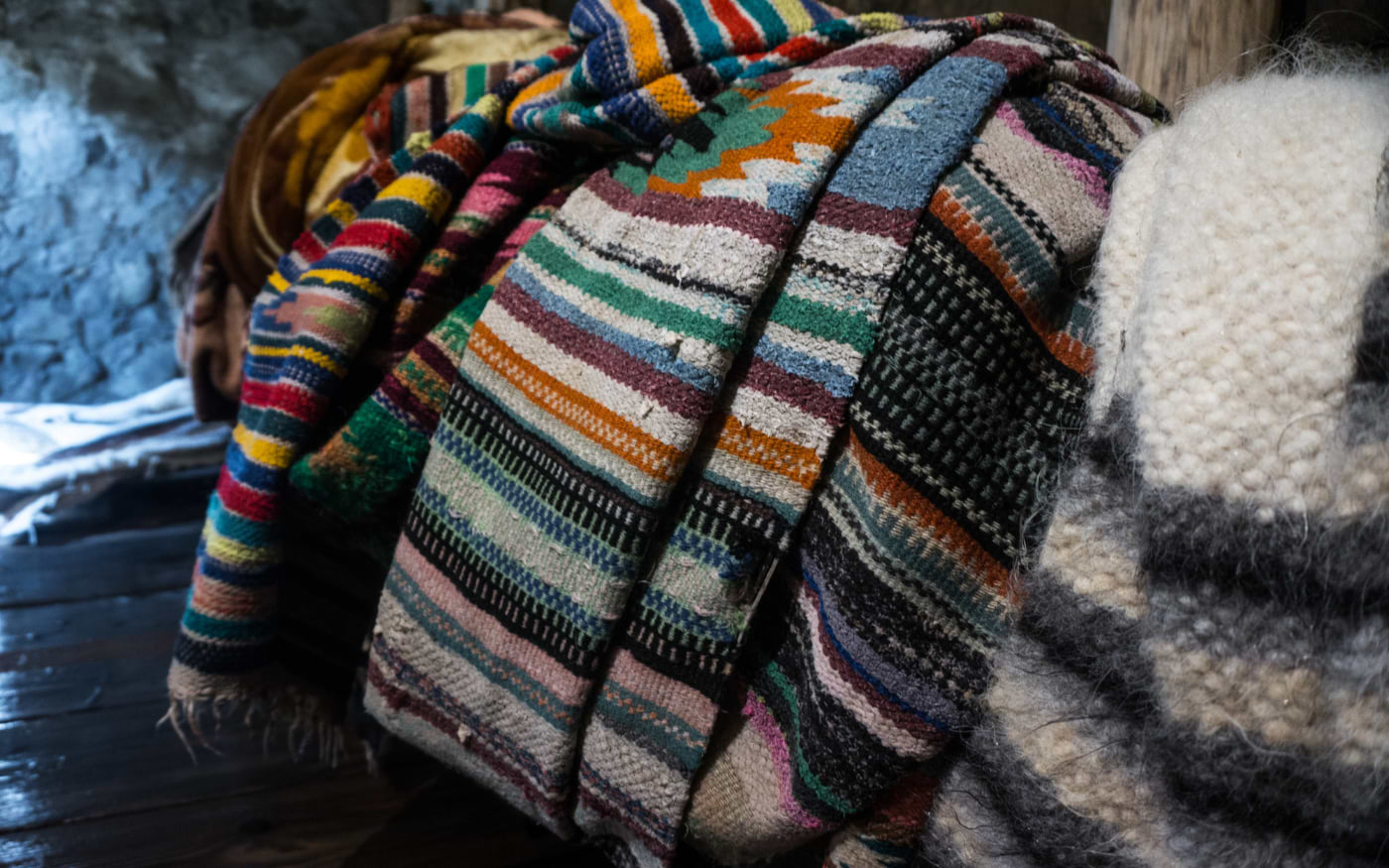
Burel Factory on Rua Serpa Pinto sells burel, the thick felted wool worn by shepherds in the Serra da Estrela. The mill in Manteigas reopened about fifteen years ago after closing down. Blankets cost €120 to €250 and last for decades. Slippers, bags, hats and cushion covers cost considerably less.
Other textiles worth considering:
- Cotton towels and bed linen
- Embroidered tea towels and table linen from Guimarães and Viana do Castelo
- Silk-embroidered bedspreads from Castelo Branco, an heirloom purchase
- Lenços de namorados, handkerchiefs embroidered with love notes in the traditional spelling
- Portuguese yarn from the wool shops around Rua do Loreto, if you knit
8. Filigree, gold and Barcelos pottery
Portugal uses its own gold standard of 19.2 karat, which you will not find at home. Ask for filigree (filigrana), the fine twisted wirework made in workshops around Gondomar and Póvoa de Lanhoso. The best-known design is the Coração de Viana, a rounded heart topped with a flame. Silver versions cost €40 to €150 and are easier to carry home than gold.
Baixa is the place to look. Rua do Ouro means Gold Street, and the family jewellers there and on Rua da Prata have held the same premises for generations. Check for the hallmark near the clasp before you pay.
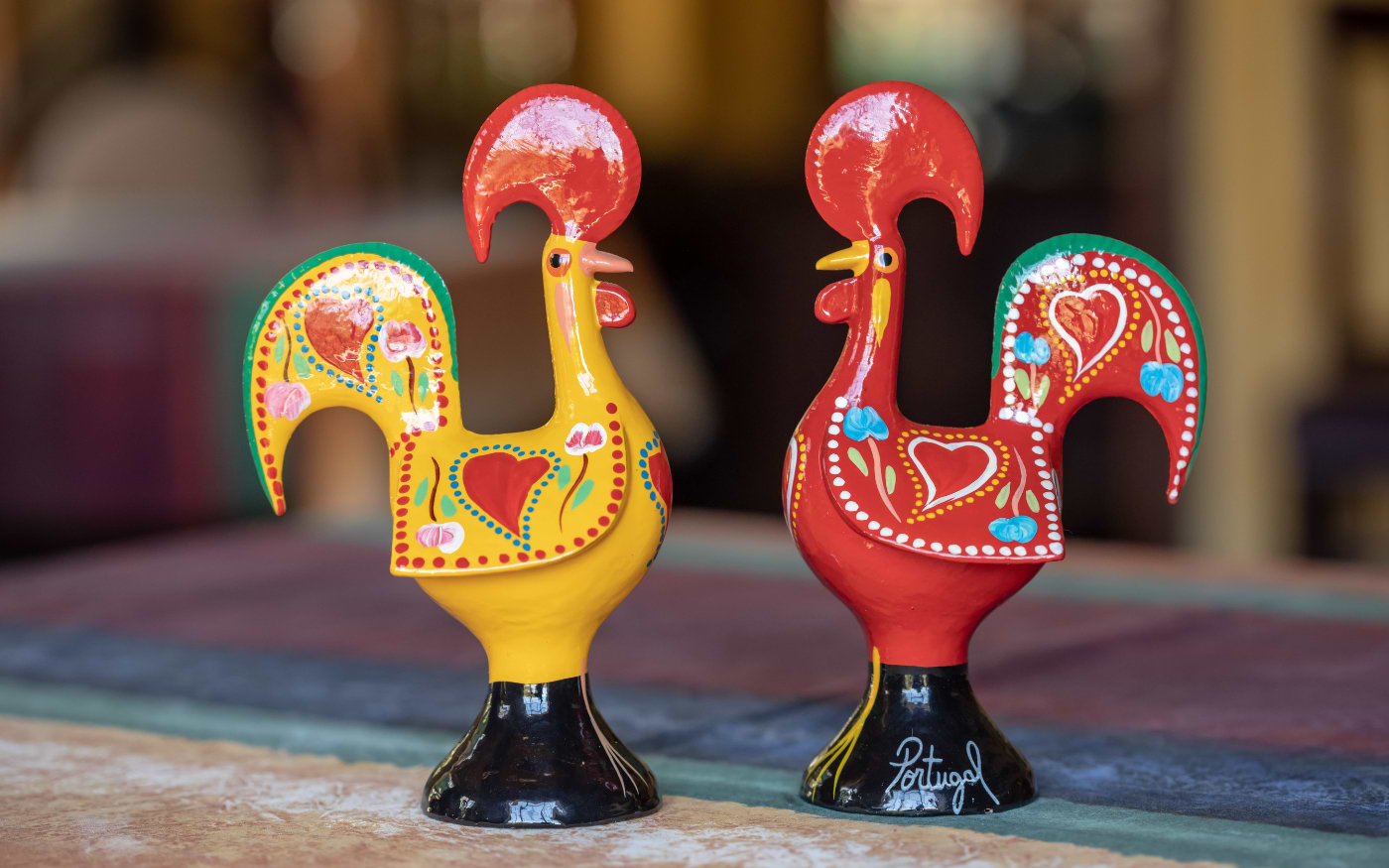
The Barcelos rooster is the other well-known piece, painted in red, black and yellow, from €8 for a small one to €40 for a large. It also appears on tea towels, aprons, bottle stoppers and magnets. The hand-painted ceramic version is the one to choose.
9. Shoes, gloves and leather
Portuguese factories make footwear for labels that rarely mention it on the box. Buying local brands directly gives better value:
- Luís Onofre for heels
- Carlos Santos for men's welted shoes, at roughly a third of British prices
- Eureka and Ambitious for everyday boots and trainers
- Josefinas for ballet flats made in Guimarães
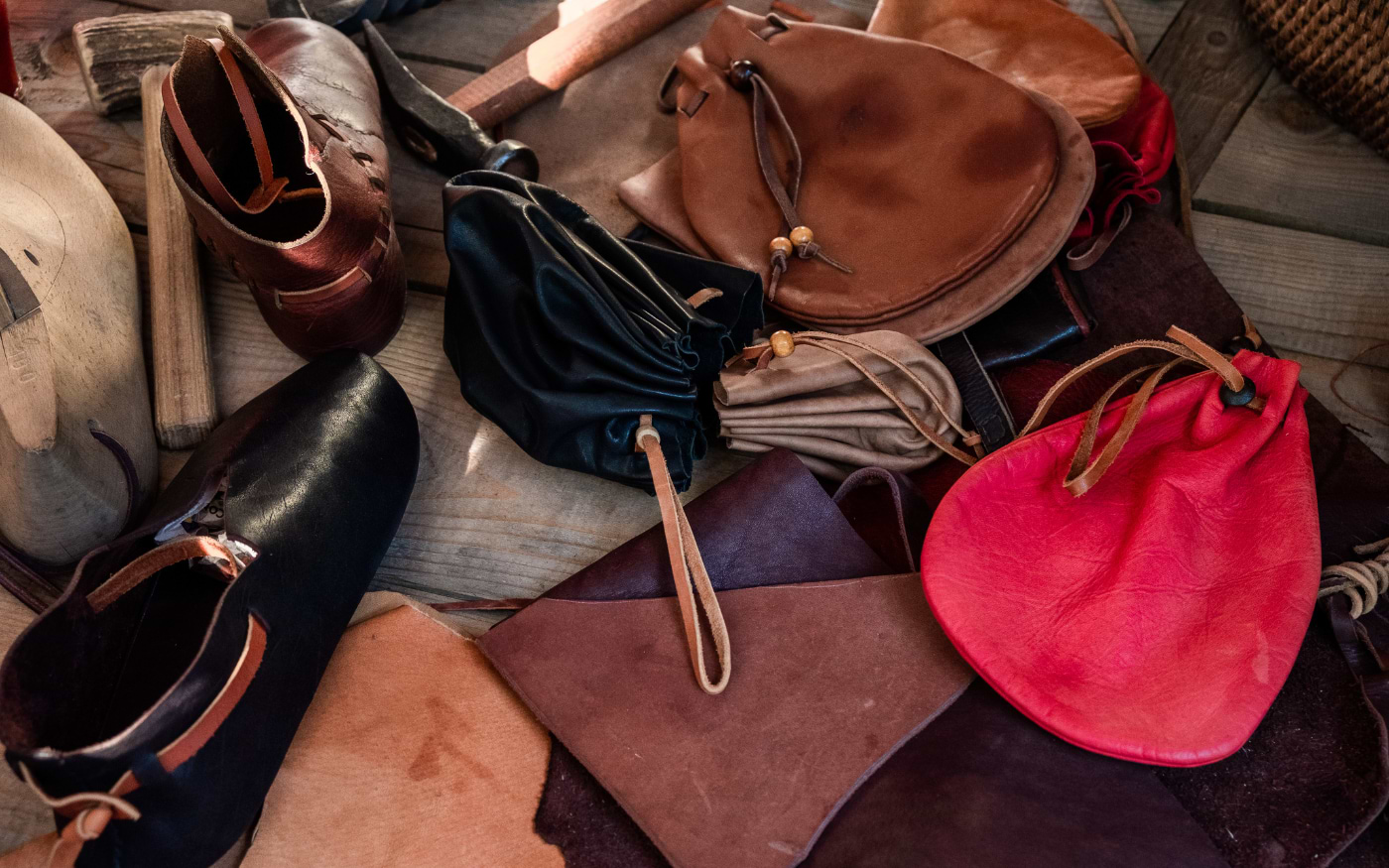
Luvaria Ulisses at Rua do Carmo 87A has sold leather gloves since 1925. The shop is very small, so customers go in one at a time. An assistant measures your hand, then eases the gloves on with a wooden stretcher. A pair costs €70 to €150 and fits properly. A few minutes away on Rossio, Chapelaria Azevedo Rua has sold hats since 1886.
10. Books, records, prints and notebooks
Livraria Bertrand on Rua Garrett has been trading since 1732, which makes it the oldest bookshop still open anywhere. Fernando Pessoa's The Book of Disquiet and the novels of José Saramago cost less here than at home.
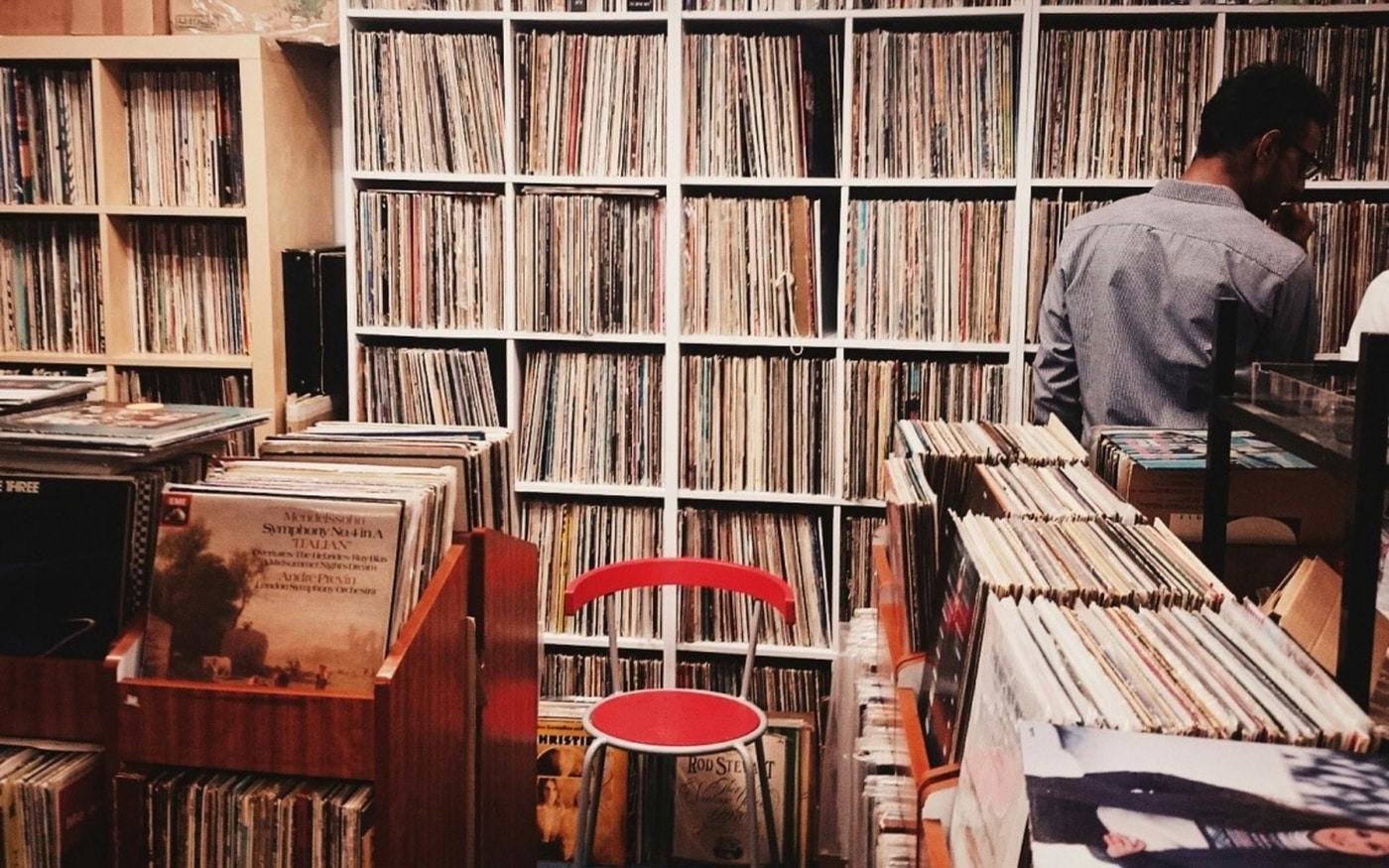
For music, look for Amália Rodrigues on vinyl, and newer fado from Carminho or Camané. Louie Louie on Rua Nova da Trindade and the second-hand racks at Carbono are the best places to look. A handmade Portuguese guitar from a Lisbon workshop starts at around €1,500, if you have the budget and the space.
A Vida Portuguesa, opened in 2007 by journalist Catarina Portas, brings older Portuguese brands together in one shop: notebooks, pencils, soaps, tins and ceramics. There are branches at Largo do Intendente and in Chiado. Caza das Vellas Loreto nearby has sold candles since 1789, in a shop that has changed very little.
Where to shop in Lisbon: district by district
Chiado and Baixa together make up the main shopping district in Lisbon, and the area is compact enough that most visitors never leave it. Baixa is the flat grid below the castle, rebuilt after the 1755 earthquake, with streets named after the trades that once filled them. Rua Augusta is pedestrianised and lined with chain stores. Rua da Prata, Rua dos Fanqueiros and Rua do Ouro hold the older, more specialised shops.
Chiado sits one level above, reached by the Santa Justa lift or a short climb. Rua Garrett, Rua do Carmo and Rua Serpa Pinto have the flagship stores, the bookshops and the cafés for a pause between purchases. All of it lies within a fifteen-minute walk, which makes this the easiest area for a first visit.
Príncipe Real is where the independent boutiques are. Start at Embaixada, a 19th century palace divided into small shops around a tiled courtyard. Then walk Rua Dom Pedro V and Rua da Escola Politécnica for Portuguese designers, vintage clothing, plants and concept stores. Prices are higher here, and so is the quality.
Avenida da Liberdade is the centre of luxury shopping in Lisbon. Along roughly 1.5 kilometres of tree-lined avenue you will find Louis Vuitton, Prada, Gucci, Loewe and Dolce & Gabbana. Most designer shops in Lisbon are on this one street, together with the multi-brand Fashion Clinic at Tivoli Forum, which stocks international and Portuguese labels side by side.
Three more areas, if you have time:
- LX Factory in Alcântara, a former industrial site with design studios, the Ler Devagar bookshop and a Sunday market
- Campo de Ourique, residential and quiet, with a covered market and shops that serve residents
- Bairro Alto, best in the late afternoon, for small leather, cork and jewellery workshops
Popular shopping centres
- Centro Colombo in Benfica, on the blue line, with more than 300 shops and the widest range of brands in the city
- Amoreiras, closer to the centre, with the Amoreiras 360 rooftop viewpoint on the top floor
- Armazéns do Chiado, six floors in the centre of town, useful in bad weather and for the views from the food court
- Centro Vasco da Gama at Parque das Nações, next to Oriente station, convenient before a train
- El Corte Inglés, the Spanish department store, for beauty, homeware and a large food hall
Shopping centres usually open daily from 10am to 11pm, including Sundays. This is useful to know, because many small independent shops close on Sunday and some still shut for lunch.

FAQ: What to Buy in Lisbon
What are the best things to buy in Lisbon?
Tinned fish, olive oil, flor de sal and a bottle of ginjinha cover the edible side. For something lasting, choose hand-painted azulejos, Bordallo Pinheiro ceramics, cork accessories or Claus Porto soap.
What is Lisbon's main shopping district?
Chiado and Baixa, which together form the shopping district Lisbon is best known for. Baixa's grid, especially Rua Augusta, holds the chains and the old family shops; Chiado above it has the flagships, bookshops and cafés. Avenida da Liberdade covers luxury, and Príncipe Real covers independents. All four are walkable in a single afternoon.
Which shopping centres are worth visiting?
Centro Colombo has the largest range of brands, Amoreiras adds a rooftop viewpoint, and Armazéns do Chiado is the most central. Centro Vasco da Gama is convenient if you are catching a train from Oriente. All open daily until about 11pm, including Sundays.
Final word
Shopping in Lisbon works best treated as a walk with stops rather than a list to complete. Buy the tins, the soap and the salt for other people. Buy the tiles, the blanket or the gloves for yourself. Leave a little space in the case for both.
Make Baixa your base and the shops begin at the front door. Hotel Corpus Christi Lisboa - Leonardo Limited Edition opens in Baixa in October 2026, in a restored 18th century monastery. Book your stay in Lisbon here.
Find your next hotel in Lisbon, Portugal