A-Z Guide to Understanding Geordie Accents
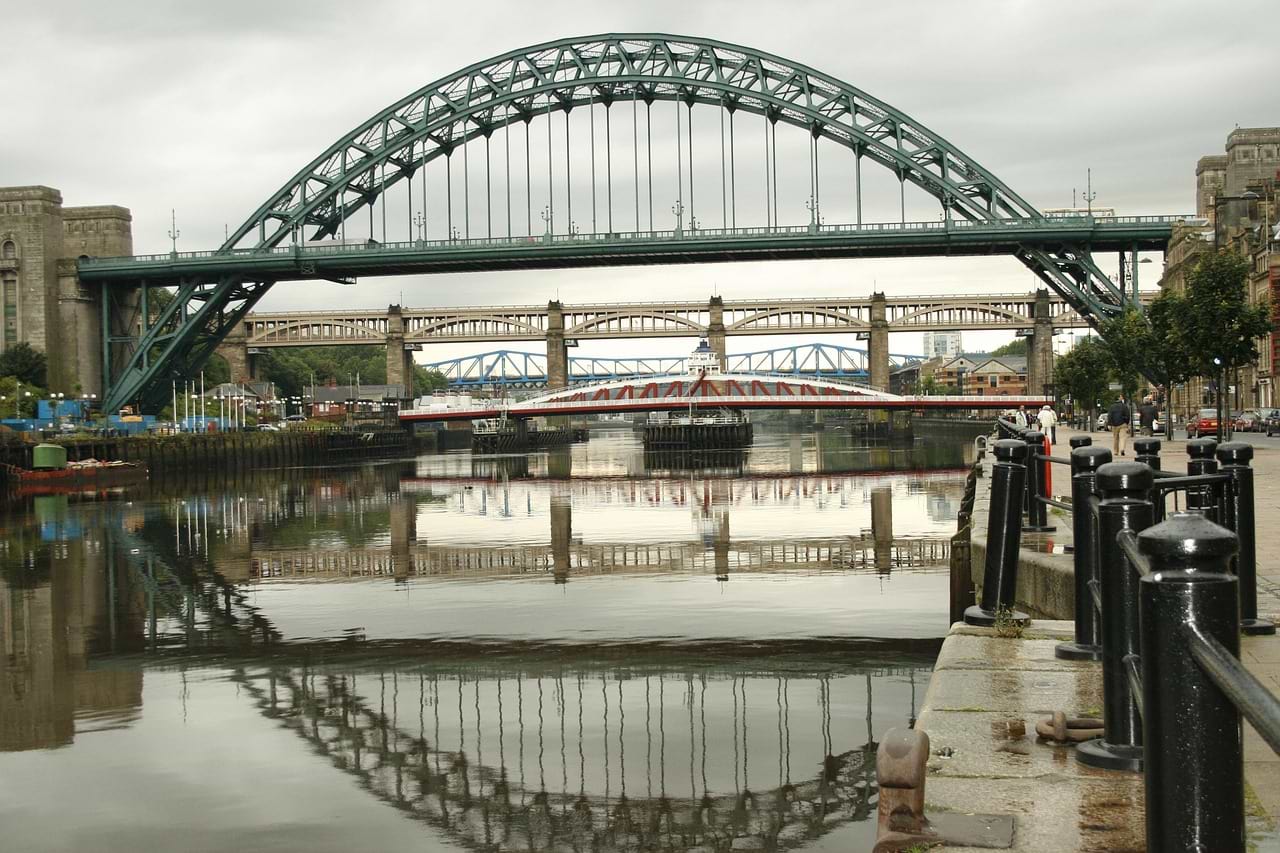
So, you’ve decided to visit Newcastle! You’re in for a real treat, as The Toon is a bustling city, jam-packed full of things to do – whether you’re visiting on business or leisure. There’s the open-air Living Museum of the North, Newcastle Castle, Baltic Centre for Contemporary Art, and let’s not forget the plethora of world-famous landmarks to enjoy – the Tyne Bridges, Angel of the North, and the Old City Chares, to name a few. Yes, it’s fair to say Newcastle is up there near the top when it comes to vibrant British cities.
People who were born and brought up in Newcastle are called Geordies, and their accents can sometimes be a little difficult to understand, especially if you’re new to the city. That’s why we’ve put together this handy guide to understanding the Newcastle Geordie accent. You’re welcome.
Fun Facts about the Geordie accent
Before we begin, it’s handy to know some facts about the Geordie accent to impress all your new Geordie friends. Here are some that you probably didn’t know:
- It’s the oldest English regional dialect. The northeast is the only part of England where the original anglo-saxon language has survived from thousands of years ago. Other dialects have lost this heritage over the centuries with the gradual introduction of Latin and French influences
- It’s renowned throughout the UK and the world as the most difficult British dialect to understand
- Technically, it’s full of grammatical errors (i.e. replacing ‘me’ with ‘us’)
- Despite a variety of theories, it is unknown why the Geordie accent is called so. Some say it’s to do with the region’s support of King George I in the 18th century but this has never been confirmed
- It’s not just people from Newcastle that speak Geordie. In fact, this dialect is prominent in the entire North-eastern corner of England
Geordie Dictionary
Ready to learn some Geordie words? Here’s our Geordie dictionary of the most common slang words, to minimise the chances of getting confused during your visit:
Aye
Let’s start with a nice easy one. ‘Aye’ means ‘yes’ in Geordie. It’s also often used alongside the word why, for example:
“Are you in work tomorrow?”
“Why, aye man. In work ‘til Wednesday”
Bairn
‘Bairn’ is used to refer to a child, or someone younger than you.
Belta
This term is used as an exclamation of joy, for example ‘that was proper belta, like’.
Broon
When a Geordie says the word ‘brown’ they could be referring to one of two things, either:
- The colour brown
- Newcastle Brown Ale (most likely)
Champion
One of the more positive Geordie words, meaning to express delight. For example, if you ask a Geordie how they’re feeling, and they’re feeling good, they could respond with “Eeeh, I’m champion man”. Or they could be telling you how much they’re enjoying a certain thing (i.e. food), and would say something like “that’s proper champion man”. Which brings us nicely onto the next word.
Doon
Nice and easy – this means ‘down’.
Gadgie
This means ‘adult male’. Thought to be derived from the Romani ‘gadje’, meaning non-Roma.
Geet Walla
This means ‘very, very large’. For example, if someone says “there was a geet walla queue at the shop”, it means there was a long queue. See also: howfing.
Hadaway
So, this phrase can be both friendly or aggressive, depending on how you use it. It means “away with you”.
Hevin a Gan
Means ‘having a go’, i.e. “I fancy hevin a gan at the Geordie accent”
Howfing
This can also be translated as meaning ‘large’, when used as ‘howfing geet’.
Hoy
‘Hoy’ is Geordie slang which means to ‘throw’ or ‘chuck’ something. Heard someone say they’re ‘going out on the hoy’? This means they’re going out drinking.
Man
When you visit Newcastle, you’ll notice that Geordie’s use the word ‘man’ a lot in daily conversation. You’ll soon pick this up, but remember that it’s said as a short, quick word, unlike the American version which tends to go on for longer.
Marra
If someone from Newcastle calls you ‘Marra’, you’ve made quite the impression! Marra means ‘mate’ or ‘friend’.
Mortal
This rather sinister sounding Geordie word means ‘drunk’. Expect to hear it a lot on nights out round the Toon.
Nee
This means ‘no’ in Geordie. Not to be confused with ‘neet’, which means ‘night’.
Nippy
Being so far north means it can get a bit ‘nippy’ in Newcastle. And in case you hadn’t already guessed: nippy means cold in the Geordie dialect.
Radgie
This means ‘temper tantrum’, for example “he’s gannin’ proper radgie’ means ‘he had a real temper tantrum’
Toon
Another easy one, ‘Toon’ means “Town”. Newcastle is often referred to by both tourists and locals as The Toon.
Find your next hotel in Newcastle, United Kingdom