The 10 Best Museums in London: History, Art, Science & More
Few cities in the world have as many extraordinary museums as London does. Whether you're the sort of traveller who could happily spend an entire day exploring the exhibition halls of the British Museum London or someone who wants a whistle-stop tour of all the highlights in a single afternoon, London delivers on every level. The sheer range on offer, from ancient Egyptian mummies and Renaissance masterpieces to towering dinosaur skeletons and cutting-edge interactive galleries, means there really is something for everyone.
What makes London particularly wonderful for museum lovers is that many of its world-class institutions are completely free to enter. That's right: you can stand in front of a Monet, gawp at a moon rock, or trace 5,000 years of human civilisation without spending a penny on admission. In this guide, we'll take you through the 10 best museums in London, covering what makes each one special, what not to miss inside, practical tips, and a few insider secrets that most first-time visitors never discover.
The best museums to visit in London are:
- British Museum – best for world history
- Natural History Museum – best for families and nature
- Victoria and Albert Museum (V&A) – best for design and fashion
- Science Museum – best for interactive learning
- National Gallery – best for classic art
- Tate Modern – best for contemporary art
|
Museum |
Best For |
Why Visit |
|
British Museum |
History lovers |
Global artefacts like the Rosetta Stone |
|
Natural History Museum |
Families |
Dinosaurs, whale skeleton, interactive areas |
|
V&A |
Design & fashion |
World’s largest applied arts collection |
|
Science Museum |
Kids & science fans |
Hands-on exhibits across 7 floors |
|
National Gallery |
Classic art |
Renaissance to Impressionism |
|
Tate Modern |
Contemporary art |
Modern international exhibitions |
Top 10 Museums to Visit in London
1. The British Museum
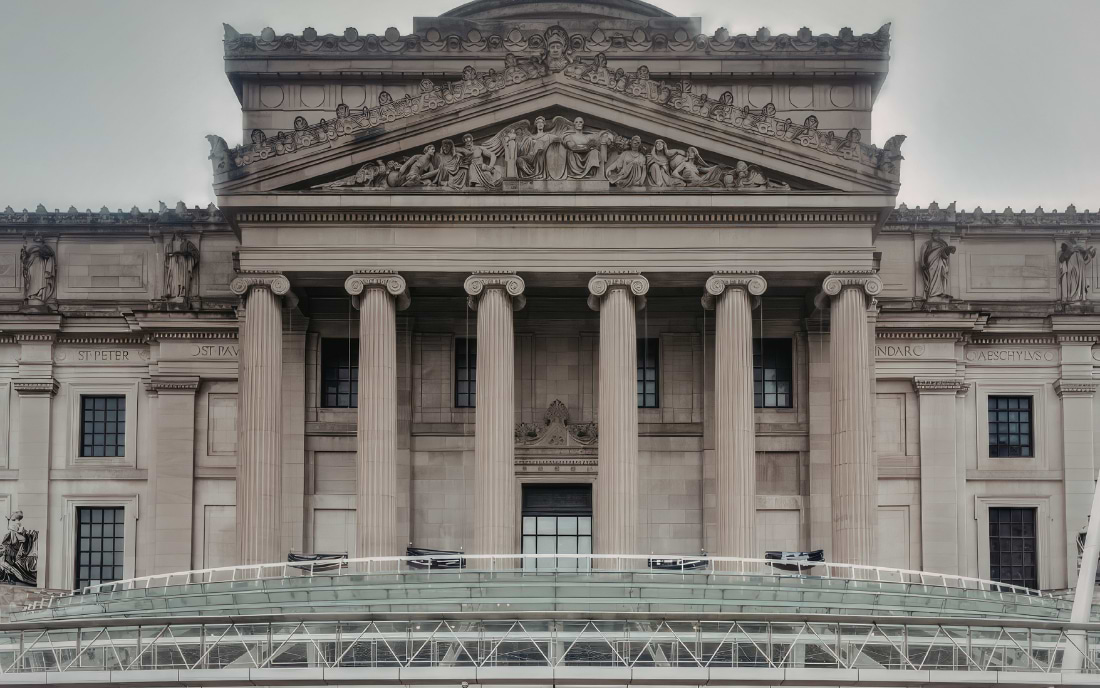
Let's start with the big one. The British Museum is arguably the most visited museum in the UK and routinely pulls in six to seven million visitors a year, making it one of the most visited museums in London by some margin. It sits in Bloomsbury, a short walk from Tottenham Court Road or Russell Square tube stations, and admission is completely free.
Inside, you'll find a collection spanning two million years of human history across cultures from every corner of the globe. The obvious crowd-magnets are the Rosetta Stone, the Elgin Marbles (displayed in the Duveen Gallery as the Parthenon sculptures), and the extraordinary Egyptian mummies. But what many first-time visitors don't realise is that the museum's collections extend far beyond the ancient Mediterranean. Rooms dedicated to the Sutton Hoo helmet, the Lewis Chessmen, and the Lindow Man are equally fascinating and far less crowded.
The museum's centrepiece is the Great Court, a stunning glass-roofed atrium designed by Norman Foster that opened in 2000. It's genuinely breathtaking on a bright day.
Insider tip: arrive when the doors open at 10am on a weekday if you want the Rosetta Stone to yourself.
2. The Natural History Museum
If the British Museum is London's history crown jewel, the Natural History Museum London is its science counterpart, and it's every bit as magnificent. Located in South Kensington, it's free to enter and open daily from 10am to 5:50pm.
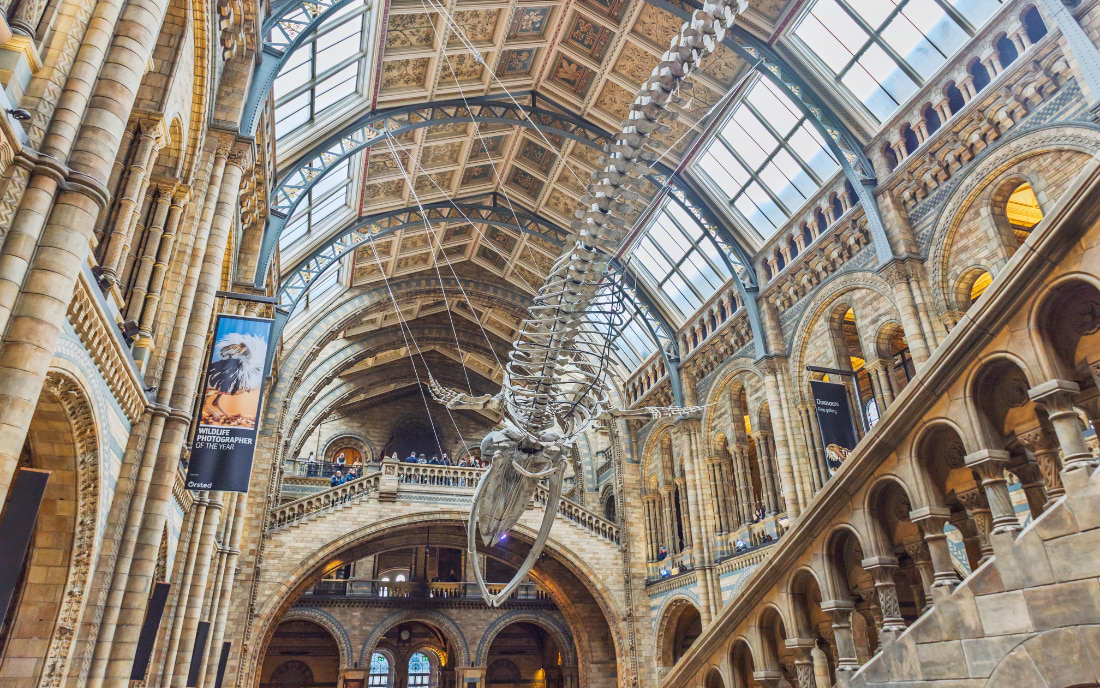
The moment you walk through the doors, you're greeted by Hope, a 25.2-metre blue whale skeleton suspended from the ceiling of Hintze Hall. It replaced the iconic Diplodocus cast that stood there for decades, and it's even more jaw-dropping. The dinosaur galleries are, predictably, a big draw, with the animatronic T-Rex being a firm favourite with younger visitors. But don't overlook the Vault, which houses the museum's most precious specimens including the Spirit Collection (22 million preserved specimens in jars, which sounds alarming but is oddly mesmerising).
The Darwin Centre is where the museum's active scientific research happens, and you can peer through windows to see real scientists at work. For families, the Investigate Centre lets children handle real specimens, from fossils to crystals, and examine them under microscopes. It's interactive, hands-on, and genuinely brilliant for kids of all ages.
In terms of temporary exhibitions, the museum regularly hosts blockbuster shows (usually ticketed), so check the website before you visit to see what's on. The surrounding Cromwell Road gardens are also lovely for a post-visit stroll or picnic in summer.
3. The Victoria and Albert Museum
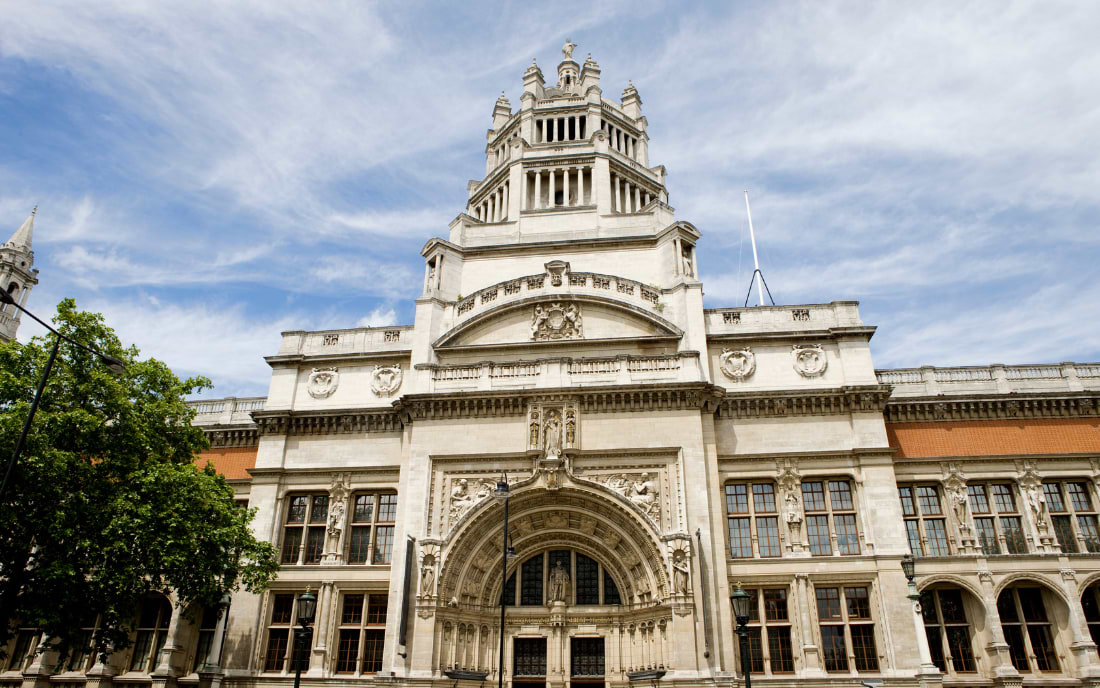
Right next door to the Natural History Museum in South Kensington sits the Victoria and Albert Museum (universally known as the V&A), and it's a very different kind of institution. This is the world's largest museum of applied arts and design, which in practice means a gloriously eclectic mix of fashion, furniture, ceramics, jewellery, textiles, photography, and architecture spread across 145 galleries.
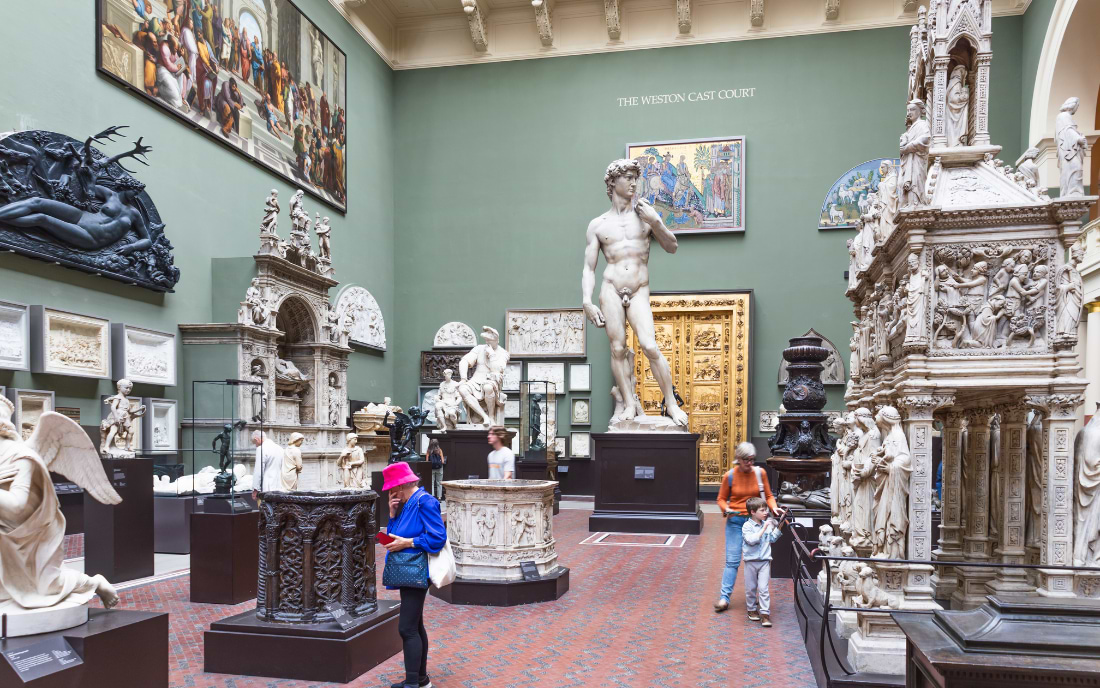
The V&A's permanent collection includes Raphael cartoons, the Ardabil Carpet (one of the world's oldest and largest carpets), a dazzling collection of Indian jewellery, and the Cast Courts, two enormous halls filled with plaster casts of famous sculptures and architectural features from across Europe. The Fashion Gallery traces clothing from 1600 to the present day and consistently remains one of the most popular permanent displays in the building.
The temporary exhibitions here tend to be exceptional, covering everything from David Bowie's costumes to the history of sneakers. Admission to the permanent collection is free, though special exhibitions carry a ticket charge.
Insider tip: the V&A café in the ornate Refreshment Rooms is one of London's loveliest spots for a coffee, and the museum's courtyard garden is a hidden gem on a sunny afternoon.
4. The Science Museum
Completing the magnificent trio of South Kensington institutions is the Science Museum London, and if you're travelling with children, this is likely to be your most hectic and rewarding stop. It's free to enter, and its seven floors cover everything from the history of flight to the frontiers of modern medicine.
The museum's permanent galleries are genuinely world-class. The Exploring Space gallery features real rockets and lunar modules, including an Apollo 10 command module. The Making the Modern World gallery traces technological progress through iconic objects: Stephenson's Rocket, the Model T Ford, and a Crick and Watson DNA model. The newer Medicine Galleries are superb for older visitors, covering 500 years of medical history in thoughtful, sometimes confronting detail.
For interactive exhibitions, the Wonderlab (ticketed separately) is an absolute highlight: hands-on science demonstrations, plasma balls, and experiments that make concepts like electricity and light genuinely click for younger minds. The IMAX cinema shows science documentaries throughout the day. The museum also hosts a range of Lates events on certain evenings, transforming the galleries into adult-only evenings with DJs, talks, and cocktails.

5. The National Gallery
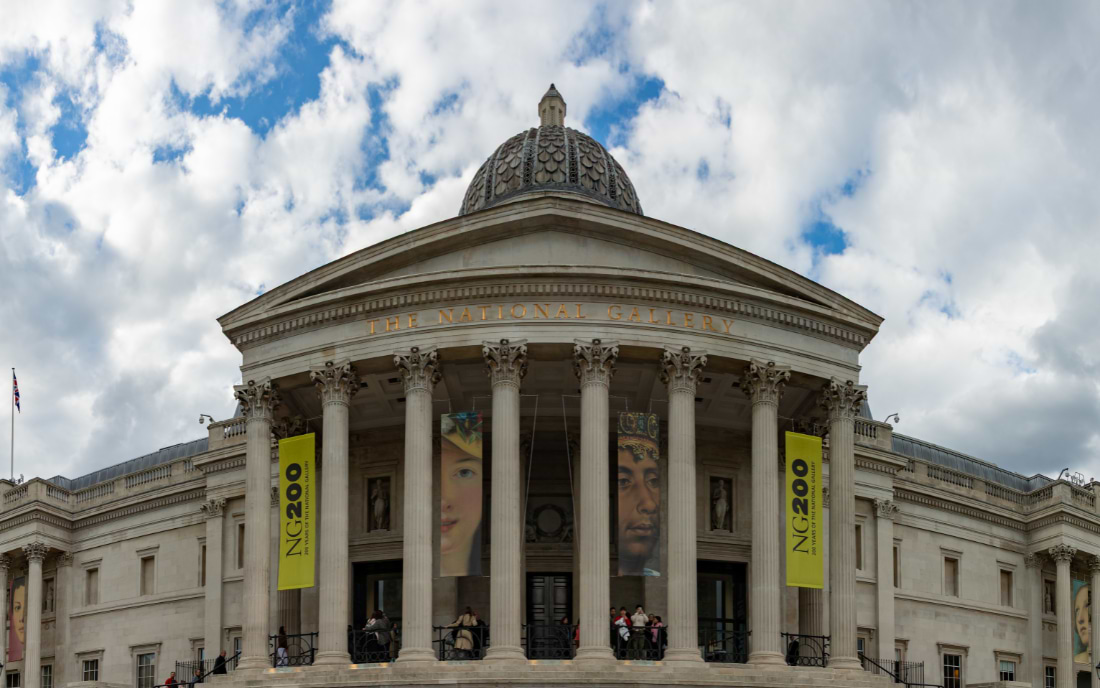
Overlooking Trafalgar Square in the heart of the city, the National Gallery London is one of the world's great art institutions, and at over 2,300 paintings in its permanent collection, it's also one of the most comprehensive. Entry is free, and the gallery is open daily.
The collection spans roughly 700 years of Western European painting, from the 13th century through to the early 20th century. You'll find rooms dedicated to Leonardo da Vinci, Rembrandt, Vermeer, Turner, and Van Gogh, among many others.
The highlights include Van Gogh's Sunflowers, Seurat's Bathers at Asnières, and the Arnolfini Portrait by Jan van Eyck. For art lovers visiting London for the first time, this is an unmissable stop.
The gallery runs free guided tours daily, which are an excellent way to navigate the collection without feeling overwhelmed. The Sainsbury Wing, added in 1991, houses the oldest works and is architecturally interesting on its own (it was famously controversial when built).
Inside tip: the National Gallery’s gift shop is one of the best in London if you're after quality art prints.
6. Tate Modern
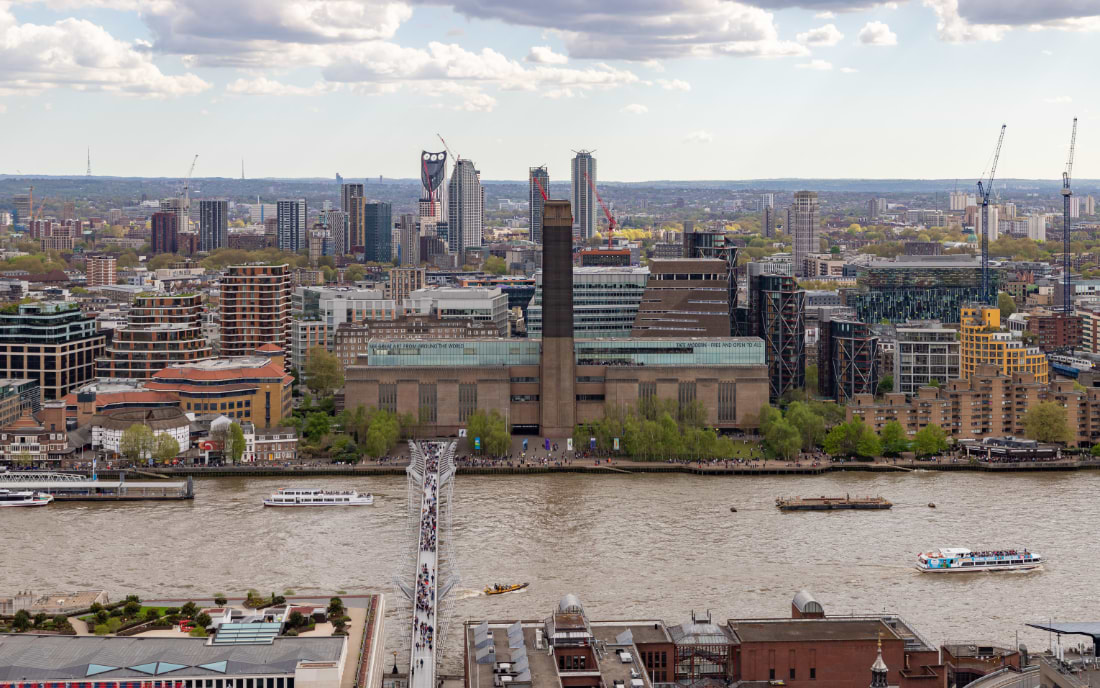
Housed in a former power station on the south bank of the Thames, the Tate Modern Museum London is the world's most visited museum of modern and contemporary art. It's free to enter (special exhibitions are ticketed), and the building itself, designed by Herzog & de Meuron, is as much of an attraction as the art inside.
The permanent collection at Tate Modern spans from 1900 to the present, with works by Picasso, Rothko, Louise Bourgeois, Andy Warhol, and Damien Hirst, among many others. The Turbine Hall, a vast former industrial space at the centre of the building, regularly hosts monumental installations that become cultural events. Artists like Olafur Eliasson and Ai Weiwei have created unforgettable works in this space.
The views from the Level 10 viewing gallery in the Blavatnik Building extension are some of the finest in the whole city, looking directly across the Thames towards St Paul's Cathedral. It's free to access and absolutely worth the lift ride. If you're an art lover visiting London, pairing Tate Modern with the National Gallery across the river gives you an extraordinary sweep of Western art history in a single day.
7. The National Portrait Gallery
Reopened in 2023 after a major three-year renovation, the National Portrait Gallery London is better than ever. Situated just off Trafalgar Square, a few minutes from the National Gallery, it houses the world's most extensive collection of portraits, more than 220,000 works in total, covering everyone from Tudor monarchs to contemporary figures.
The collection is arranged roughly chronologically, starting with the Tudors on the top floor and working down to the present day. You'll find the famous Chandos portrait of Shakespeare, believed to be the only portrait made during his lifetime, portraits of Charles Darwin, Virginia Woolf, and Winston Churchill, as well as a thriving contemporary collection including recent acquisitions of public figures and artists. The BP Portrait Award exhibition, held annually, showcases the best new portraiture from across the globe.
For history lovers, the gallery is a uniquely personal way to connect with the past: seeing the actual faces of people you've read about in books makes history feel immediate and human. Entry is free, and the rooftop restaurant has excellent views over the city.
8. Sir John Soane's Museum
This one is London's best-kept secret, and regulars shall forgive us for letting the cat out of the bag. The John Soane Museum London is tucked away in a Georgian townhouse on Lincoln's Inn Fields in Holborn, and it's unlike any other museum in the city. Entry is free.
Sir John Soane was one of Britain's greatest architects (he designed the original Bank of England) and an obsessive collector. When he died in 1833, he left his home and its extraordinary contents to the nation, on the condition that nothing be moved or altered. Walking through it today feels genuinely like stepping into the 19th century: rooms crammed floor to ceiling with ancient sculpture, architectural drawings, paintings (including two series by Hogarth), and curiosities from across the globe.
The trick of the place is that Soane designed the spaces to be deliberately theatrical, with mirrors, skylights, and folding panels that conceal extra pictures behind them. The Picture Room is particularly astonishing: open the hinged walls and the room suddenly reveals three times as many paintings as you first noticed. It's the sort of museum that rewards slow, curious exploration. Come on a weekday morning when it's quietest.
9. The National Maritime Museum
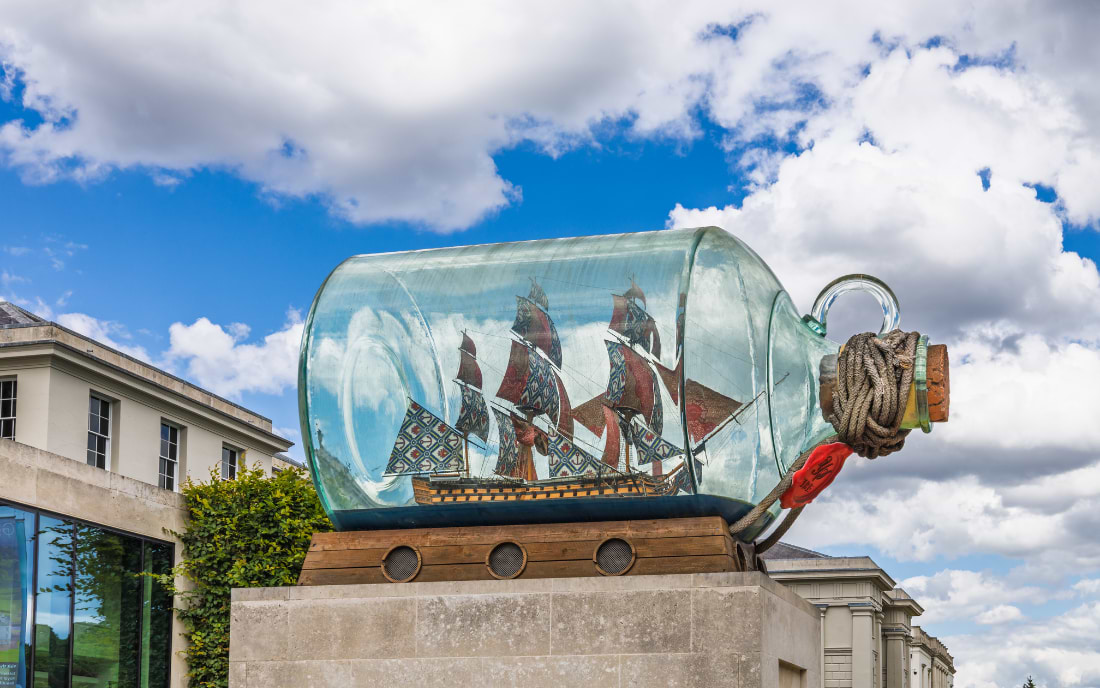
Head east to Greenwich (easily reached via the Jubilee line to North Greenwich or the Elizabeth line to Cutty Sark DLR) and you'll find the National Maritime Museum London, the largest maritime museum in the world. It sits within the UNESCO World Heritage Site of Maritime Greenwich, surrounded by the Old Royal Naval College, the Royal Observatory, and the Cutty Sark clipper ship.
The museum's galleries cover Britain's long and complicated relationship with the sea, from the Tudor warships to the Second World War convoys to the history of exploration and the slave trade. The Nelson, Navy, Nation gallery is particularly powerful, centring on the life and death of Admiral Horatio Nelson, including the very coat he was wearing when he was shot at the Battle of Trafalgar. There's something visceral about standing in front of it.
The museum is free to enter, and the surrounding park is one of the most pleasant in London, especially in summer. The hilltop Royal Observatory (separately ticketed) lets you stand on the Prime Meridian and visit the original Harrison longitude clocks that solved the problem of navigation at sea. It's a full day out, and well worth the journey.
10. The Saatchi Gallery
Rounding out our list is the Saatchi Gallery London, one of the city's most exciting contemporary art destinations. Unlike most entries on this list, it doesn't have a permanent collection: the whole model is built around changing exhibitions of emerging and established contemporary artists, which means there's always something new to see.
The gallery is housed in a former military building on King's Road in Chelsea, with more than 70,000 square feet of exhibition space across two floors. Entry is free for most exhibitions, though some shows carry a small admission charge. The focus tends to be on bold, challenging, and often provocative work, and the gallery has been instrumental in launching the careers of numerous now-celebrated artists.
What makes the Saatchi particularly good for art lovers is the commitment to accessibility: the spaces are well-lit and generously sized, labels are clear and engaging, and the overall atmosphere is welcoming rather than intimidating. The Chelsea location also puts it within easy walking distance of some excellent independent restaurants and cafés, making it a natural anchor for a Chelsea afternoon.
A Note on Madame Tussauds
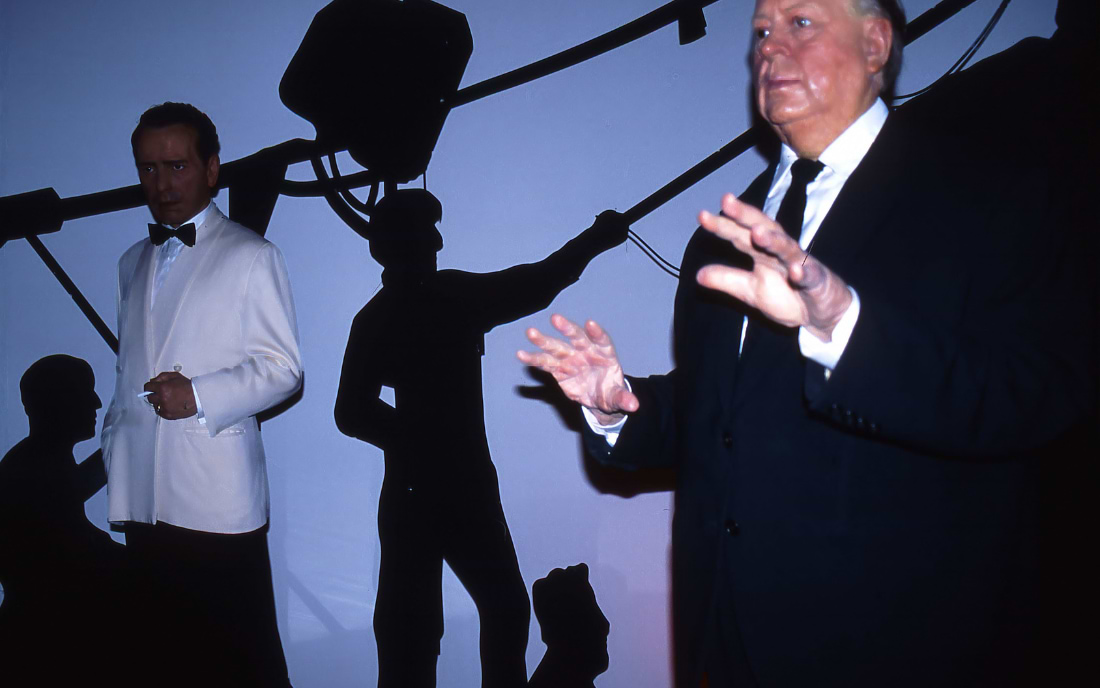
No roundup of London attractions would be complete without addressing the question of Madame Tussauds in London. It's one of the city's most famous tourist destinations, and whether it's worth a visit depends entirely on who you're travelling with.
Located on Marylebone Road near Baker Street tube station, Madame Tussauds is a privately run attraction with a fairly steep admission price (tickets start from around £30 per person online, more at the door). You'll find wax figures of everyone from the Royal Family to Hollywood A-listers, pop stars, and sports legends, arranged across themed areas that include a Marvel superhero zone and a Star Wars experience.
For families with younger children and teenagers who are excited by celebrity culture, it can be a genuinely fun couple of hours. For adults with a serious interest in art, history, or culture, the free museums listed above will generally offer more rewarding experiences. It's a matter of knowing your audience. If you do go, booking tickets in advance online is essential to avoid queuing for significant lengths of time.
Frequently Asked Questions
What are the top museums to visit in London?
The top museums to visit in London include the British Museum, the Natural History Museum, the Victoria and Albert Museum, the Science Museum, the National Gallery, and Tate Modern. These are the institutions that consistently draw the largest crowds and offer the broadest appeal. For something more off the beaten track, the Sir John Soane's Museum and the National Maritime Museum in Greenwich are both extraordinary and far less hectic.
What museums in London are good for families?
Families are exceptionally well served in London. The Natural History Museum is perhaps the single best choice, thanks to its dinosaur galleries, the blue whale skeleton, and the interactive Investigate Centre where children can handle real specimens. The Science Museum is equally brilliant, especially its Wonderlab (ticketed separately) and its hands-on interactive exhibitions. The National Maritime Museum in Greenwich also works well for families and pairs naturally with a visit to the Cutty Sark. All three are free to enter.
What are the best museums in London for art lovers?
Art lovers are spoilt for choice in the capital. The National Gallery is essential for anyone interested in Western painting from the Renaissance onwards, with works by Rembrandt, Van Gogh, and Vermeer among thousands of others. Tate Modern covers the 20th century to the present and is particularly strong on international contemporary art. The National Portrait Gallery, recently reopened after a major renovation, offers a more intimate and historically rich experience. For design and applied arts, the Victoria and Albert Museum is simply in a class of its own. The Saatchi Gallery is excellent for cutting-edge contemporary work.
What museums in London have free entry?
The good news for visitors is that many London's most celebrated museums are completely free. These include the British Museum, Natural History Museum, Victoria and Albert Museum, Science Museum, National Gallery, Tate Modern, National Portrait Gallery, Sir John Soane's Museum, and National Maritime Museum.
London's best museums offer an extraordinary range of experiences, the vast majority of them completely free. Whether you're tracing the story of humanity at the British Museum, marvelling at the natural world in South Kensington, or losing yourself in centuries of art at Tate Modern or the National Gallery, you'll find this city rewards curious visitors like few others. Plan ahead, wear comfortable shoes, and leave time to wander.
To get the most from your museum adventure, staying centrally makes all the difference. Leonardo Hotels has several fantastic properties across London, putting you within easy reach of all the highlights on this list.
Book your stay with Leonardo Hotels in London today and make your museum trip one to remember.
Find your next hotel in London, United Kingdom