German Souvenirs: The Best Things to Buy in Germany
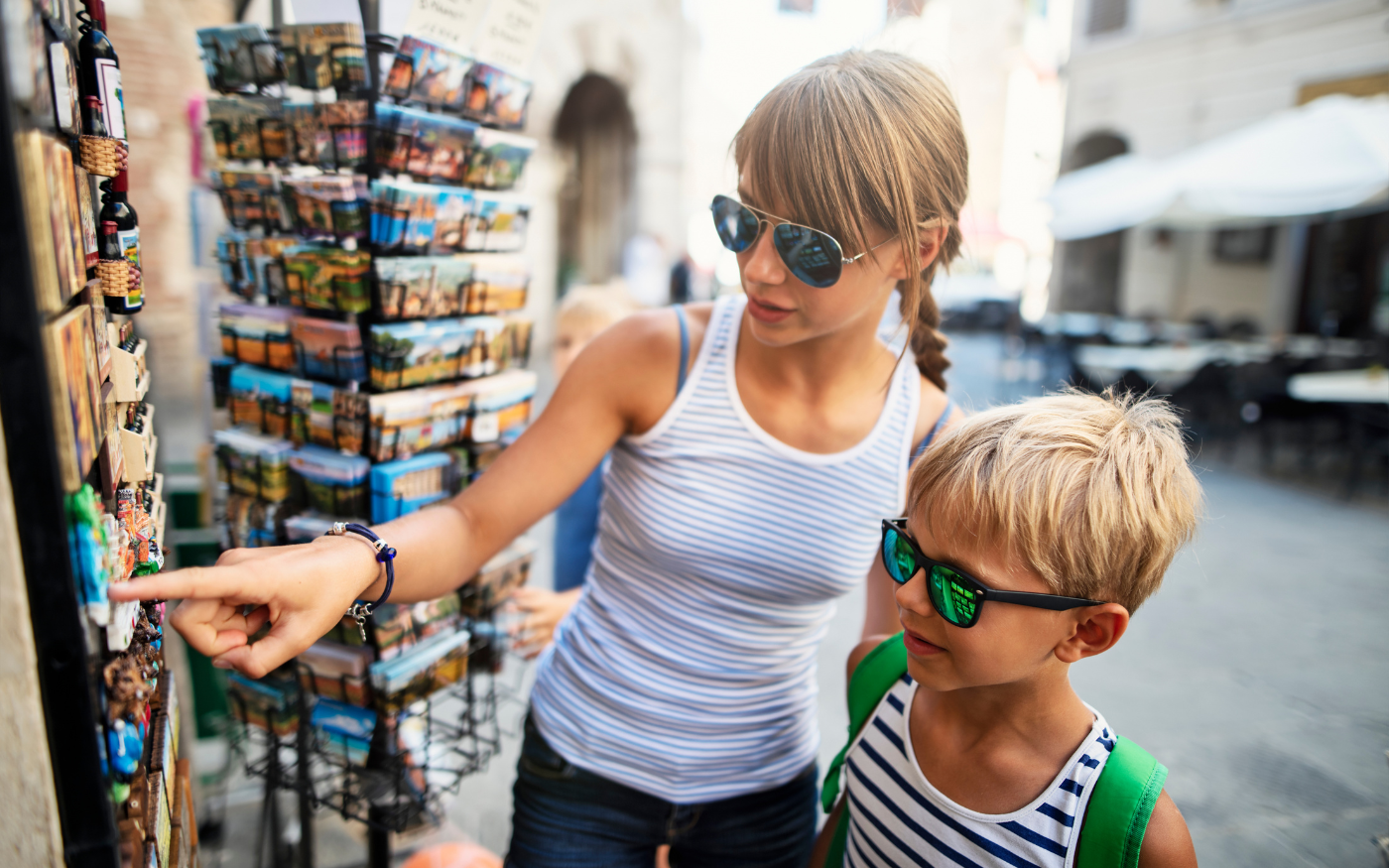
German souvenirs are easy to get wrong, and the airport is usually where it happens. You have twenty minutes and nothing better in front of you. So home comes a plastic beer mug moulded in China, plus a magnet showing a castle you never visited.
The better version was three streets from your hotel all along. It might have been mustard in a hand-thrown ceramic pot, or a pencil from the Nuremberg factory that has been making them since 1761.
None of it is hard to find. It is simply specific, because Germany runs on regional pride, and nearly everything worth carrying home belongs to one particular town. Marzipan is Lübeck's, gingerbread is Nuremberg's, and the best Christmas baubles come from a small Thuringian village.
Below are 17 categories of things to buy in Germany that are genuinely reflective of German culture. There are ideas for food lovers, children, and for colleagues you barely know. Plus, tips on where to shop, what to buy, and what to avoid!
Quick recap of German souvenirs by category
- Food: Lübeck marzipan, Nuremberg Lebkuchen, Haribo gummy bears, Ritter Sport chocolate, mustard.
- Drink: local beer, Riesling, herbal liqueur, Schnapps.
- Local Crafts: Lauscha glass baubles, Erzgebirge nutcrackers, Black Forest cuckoo clocks, Steiff bears.
- Light and perfect for a carry-on: Nivea cream, Kneipp bath salts, Faber-Castell and Lamy pens.
Now, let’s explore the best souvenirs Germany has on offer.
1. Beer steins
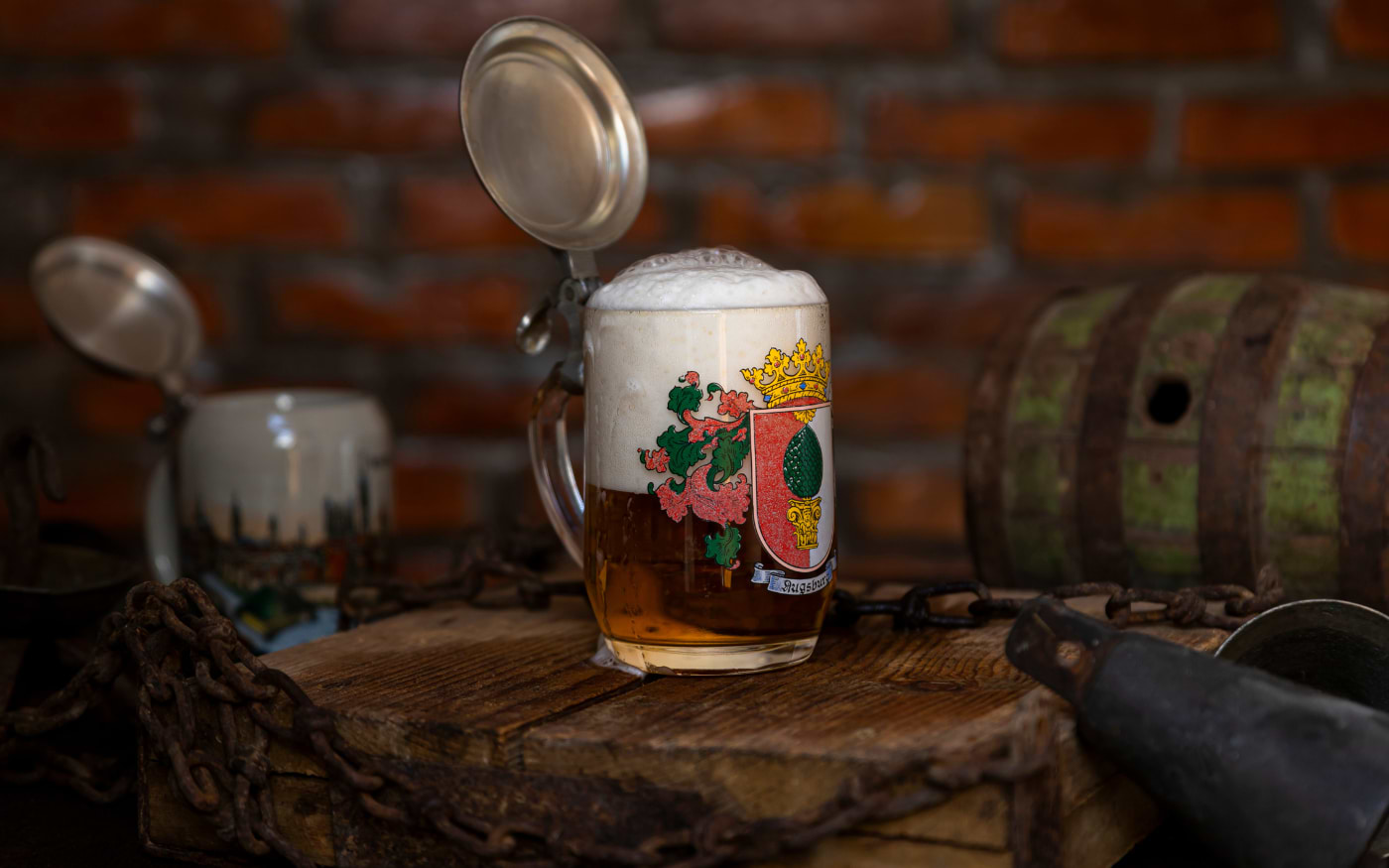
Most trips start with a beer, so start the shopping there too. The Maßkrug is the one-litre glass mug they slide across the table in a Munich beer garden, dimpled and about as subtle as a brick. Beer gardens sell them over the counter for 12 to 20 euros.
The older version looks better and lasts longer. Grey salt-glazed stoneware with blue decoration is still thrown in Höhr-Grenzhausen, the pottery towns north of Koblenz. Some mugs come with a hinged pewter lid, usually explained as insect protection from the days when beer was drunk outdoors. Expect 15 to 40 euros, and over 60 for hand-painted work.
Planning a trip to Nuremberg? Book your stay with Leonardo Hotels in Nuremberg and save 10% off your stay!
2. Beer
The mug is only half the souvenir. Beer itself is one of the famous things to buy in Germany, and the trick is to ignore the export brands. Styles change every hundred kilometres, and the best of them barely leave their own postcode.
In Cologne you drink Kölsch from a slim 200ml glass called a Stange. Forty minutes north in Düsseldorf it is Altbier, dark copper and gently bitter, from breweries like Uerige and Füchschen.
Bamberg is stranger. The Schlenkerla tavern pours Rauchbier made from malt dried over beechwood, so it tastes like smoked ham in liquid form. Bottles cost about 2 euros at any liquor shop.
Elsewhere, look for sour Gose in Leipzig, Berliner Weisse in the capital, and Bavarian wheat beer in swing-top bottles. A whole crate is optimistic, but four bottles rolled into your socks will travel fine.
Planning to stay in Germany’s capital? Book your stay with Leonardo Hotels in Berlin.
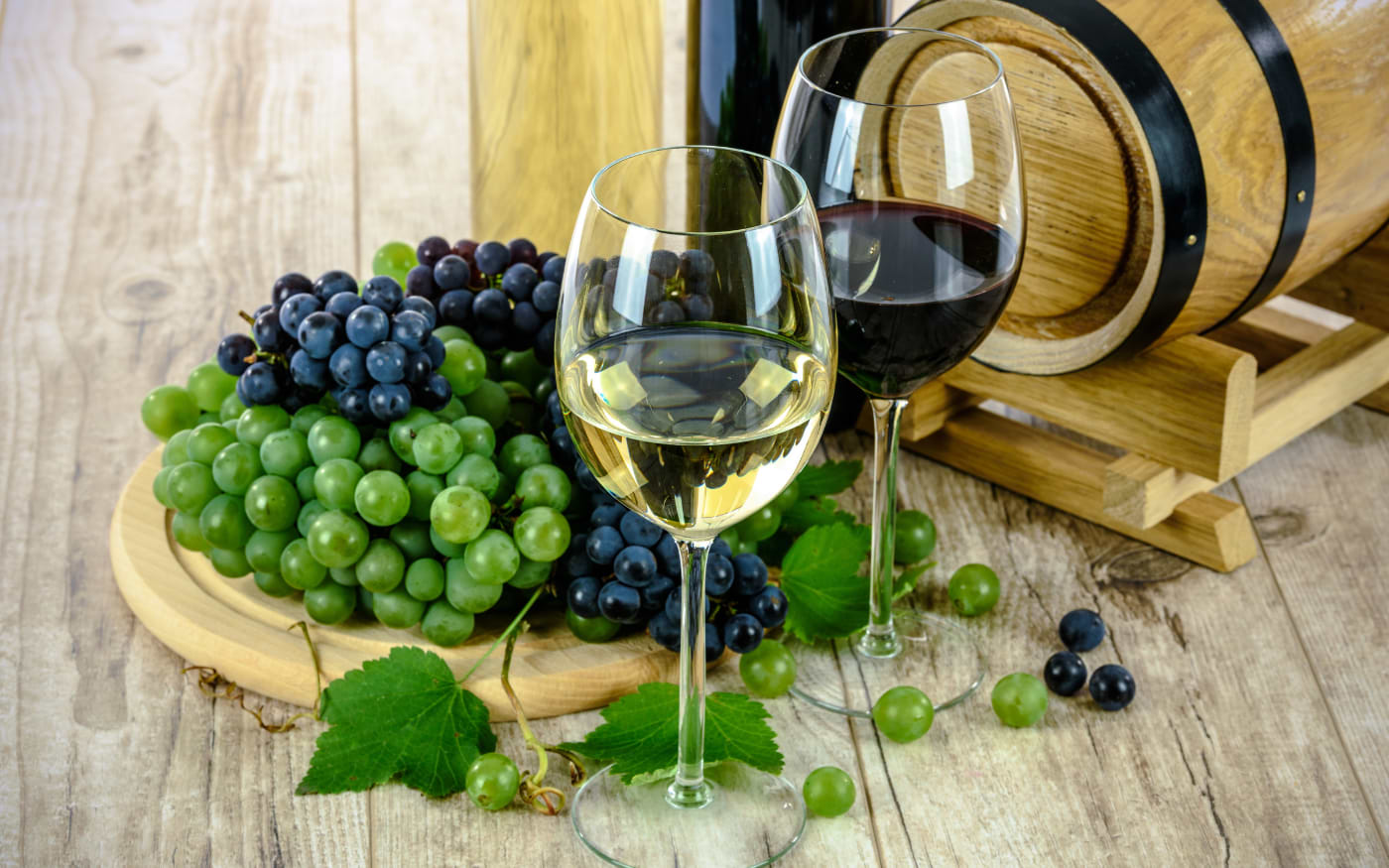
3. Wine from the Mosel, Franconia and Baden
The same regional logic runs through the wine, which stays underrated abroad and therefore stays affordable.
Riesling leads. The slate slopes of the Mosel around Bernkastel and Piesport give the version everyone should try once, all green apple and wet stone. Look for "trocken" if you want it dry and "feinherb" if you prefer it off-dry. At a winery's own shop, a very good bottle costs 9 to 15 euros.
Franconia switches to Silvaner and sells it in the Bocksbeutel, a flat green flask shaped like a squashed wineskin.
Baden, running down the Rhine towards Lake Constance, makes the country's best Spätburgunder (Pinot Noir), and its growers bottle Winzersekt for 12 to 18 euros. Most Vinotheks let you taste first, then pack your bottles in moulded cardboard for the flight.
4. Lübeck marzipan
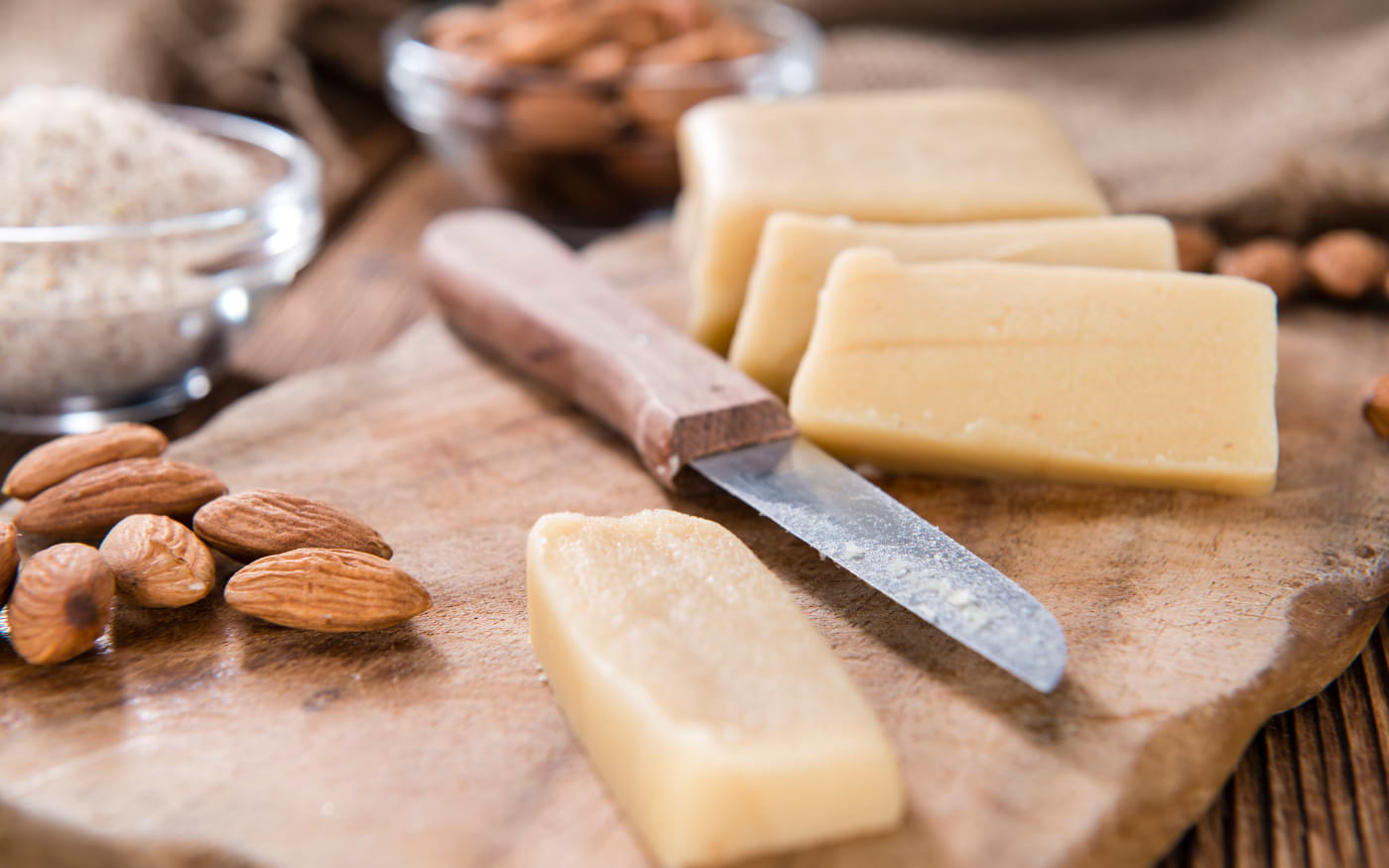
If wine feels like a commitment, sweets are the safest gift in the country, and the best of them comes from the Baltic coast. Marzipan has been Lübeck's calling card since the 1800s, and Niederegger on Breite Straße has been making it there since 1806.
The difference is the ratio. More almond and less sugar gives you something soft and paste-like, not the hard yellow blocks sold elsewhere. Start with a Marzipanbrot, a loaf-shaped bar under dark chocolate, from about 5 euros. The café upstairs serves a nut cake worth a slice.
It is also one of the great souvenirs from Germany for practical reasons, since it lies flat, needs no fridge and keeps for months.
5. Haribo gummy bears from Bonn
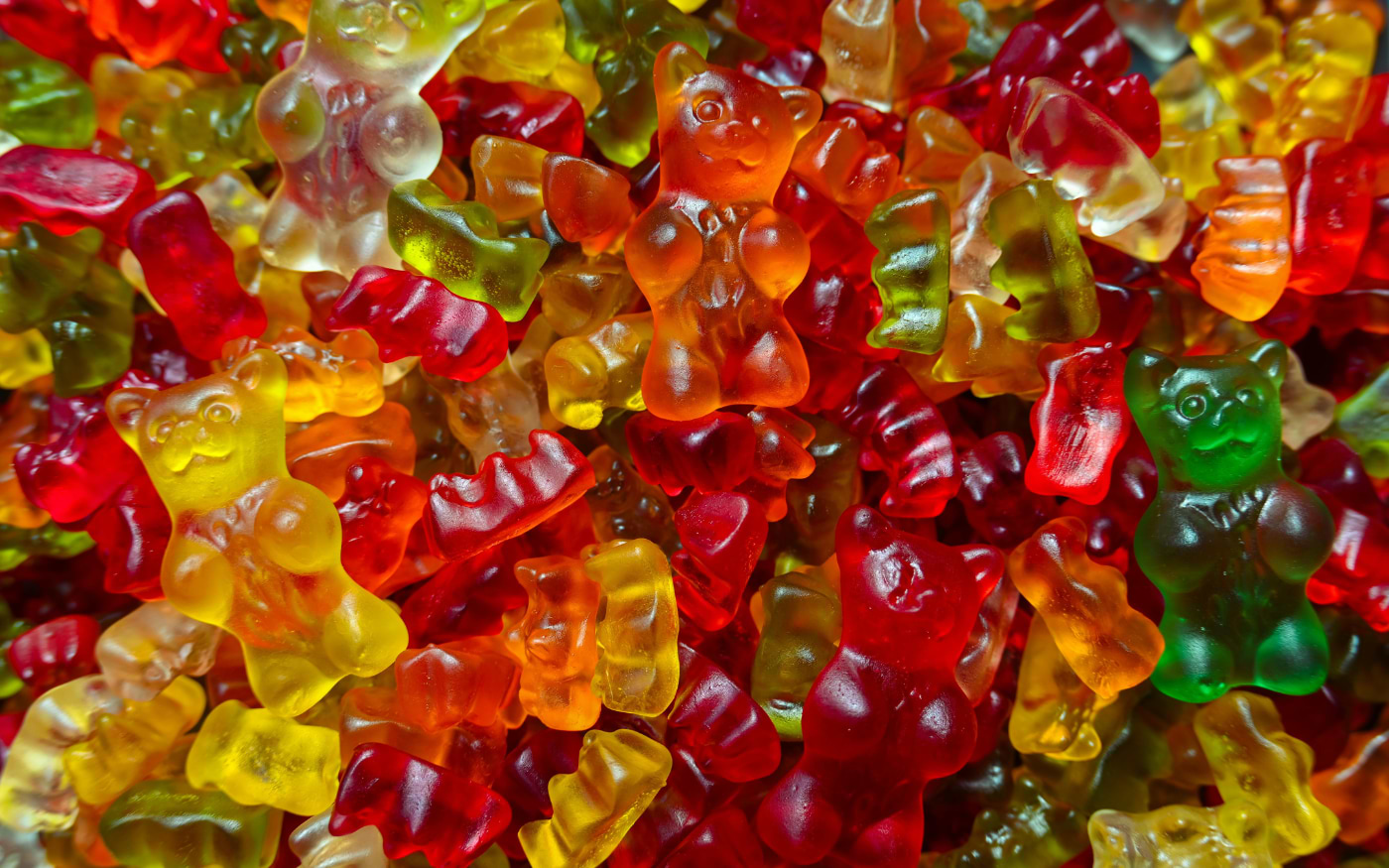
Bonn handles the other end of the sweet shelf. Haribo started there in 1920, the name squeezed out of Hans Riegel Bonn, and the gold bears followed two years later. What matters to a visitor is that German shelves carry flavours which never make it abroad.
Look for Color-Rado with its liquorice pieces, sour Saure Gurken and Maoam chews, all 1 to 3 euros a bag. The factory outlets sell bulk bags for less, and the Bonn shop does gift tins.
Gummy bears are among the most popular souvenirs from Germany, and the easiest win if you have children to buy for. Bären-Treff is the grown-up version, with fruit-juice gummies and no artificial colouring.
6. Nuremberg Lebkuchen
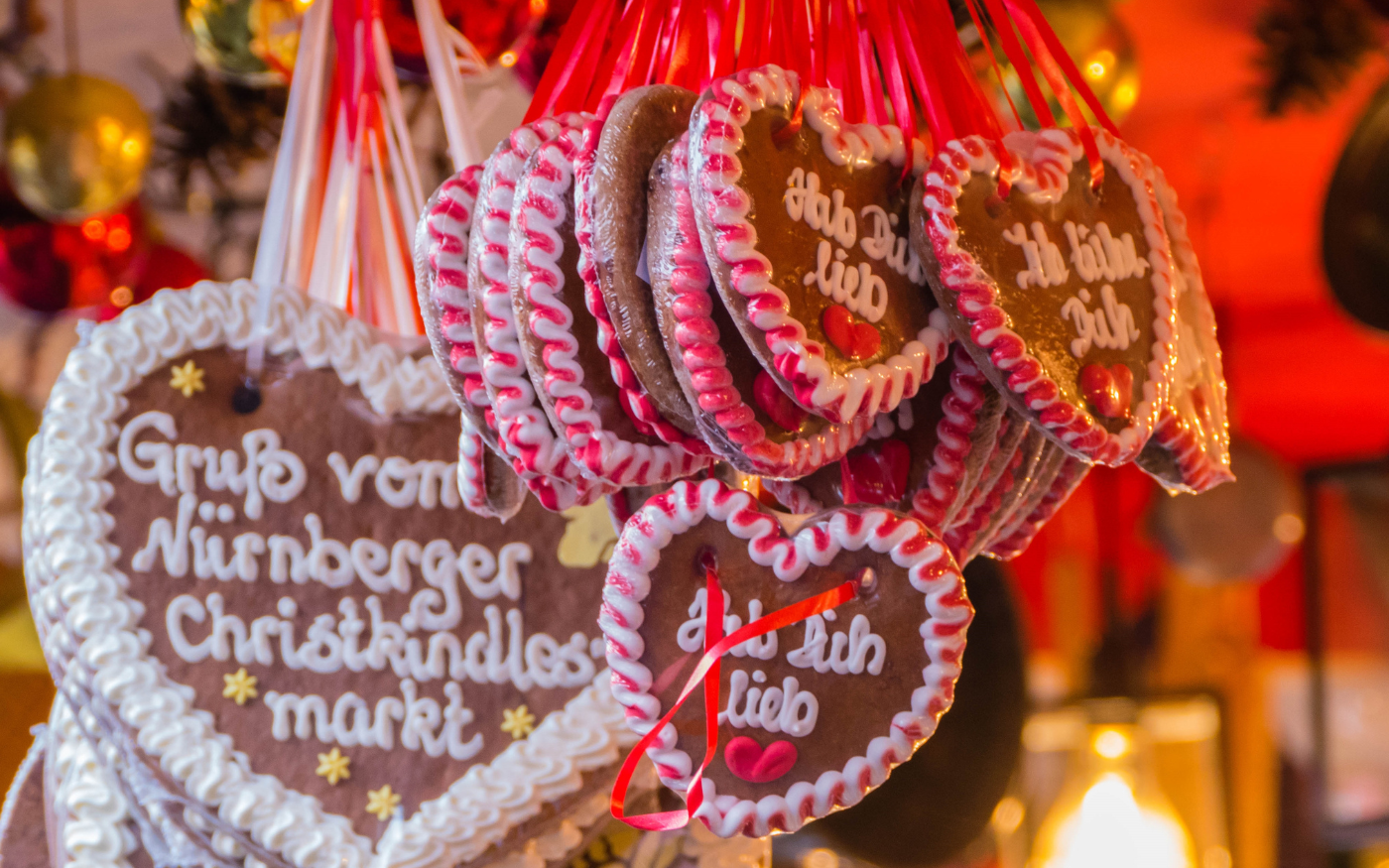
Nuremberg's contribution arrives in a tin, and it is not gingerbread whatever the label says. The top grade, Elisenlebkuchen, is at least a quarter nuts with barely any flour, which makes it dense and chewy, closer to a macaroon than a biscuit. The name Nürnberger Lebkuchen is protected, so it means something.
Old bakeries like Schmidt and Wicklein sell them in painted tins, from 8 euros for a small one up to 25 for the collectible designs.
Sealed, they keep for months, they survive being sat on in a rucksack, and Nuremberg sells them all year rather than only in December.
7. Christmas deco
Come in December and all of this lands in one place, because the markets are the best shopping in the country for handmade things.
Glass baubles come from Lauscha in Thuringia, where glassblowers began making them in the 19th century. Each one is blown, silvered and painted by hand, so they cost 6 to 20 euros and no two match exactly.
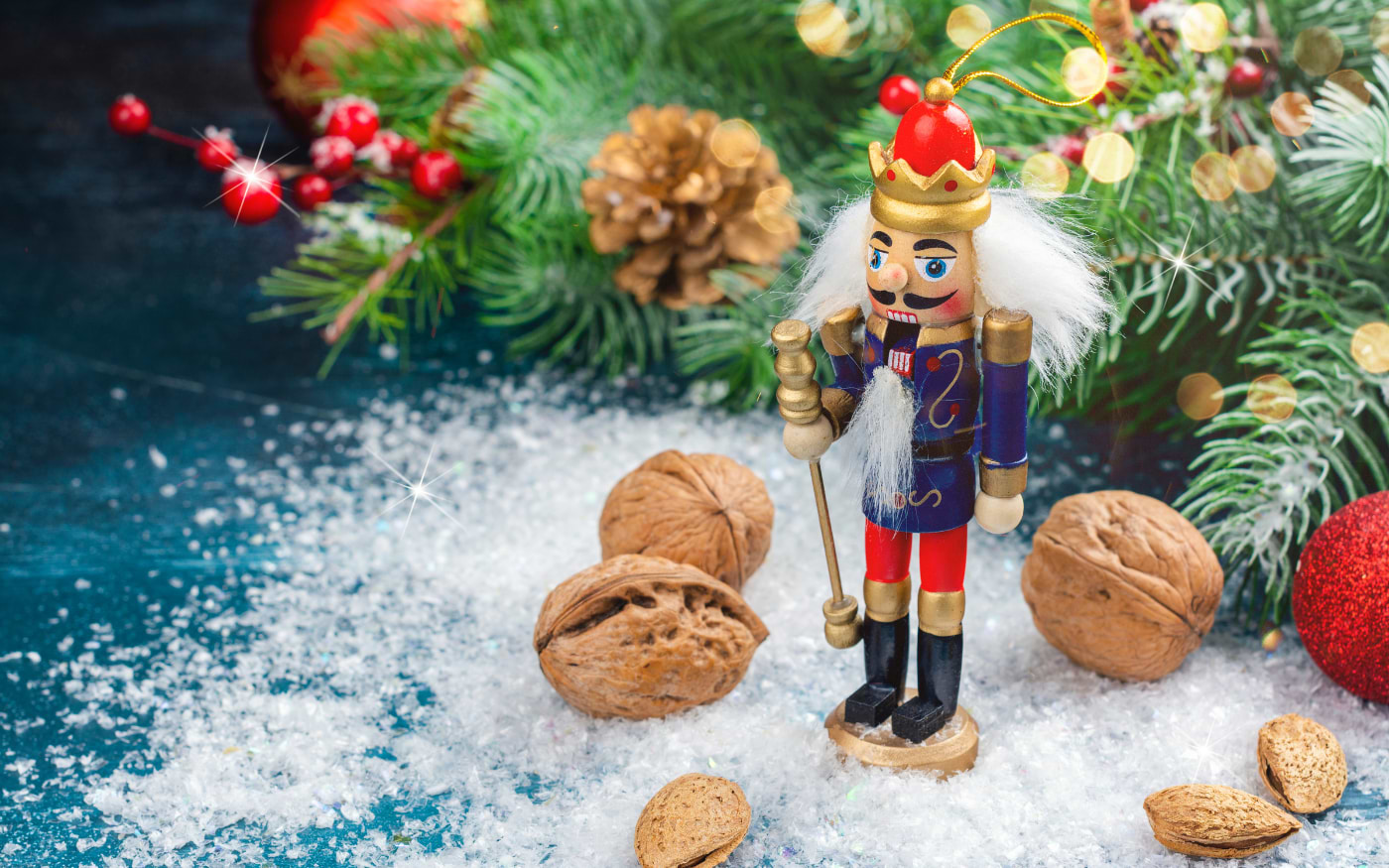
The wooden pieces come from the Erzgebirge on the Czech border, and above all from Seiffen. That means nutcrackers, Räuchermännchen (little wooden men who puff incense out of their pipes), arched Schwibbogen candle holders and rotating pyramids. A small smoker runs 25 to 40 euros, while a tall pyramid can pass 300.
At Nuremberg's Christkindlesmarkt, look out for Zwetschgenmännle too, comic figures built from dried prunes on wire for about 8 euros.
8. Black Forest cuckoo clocks
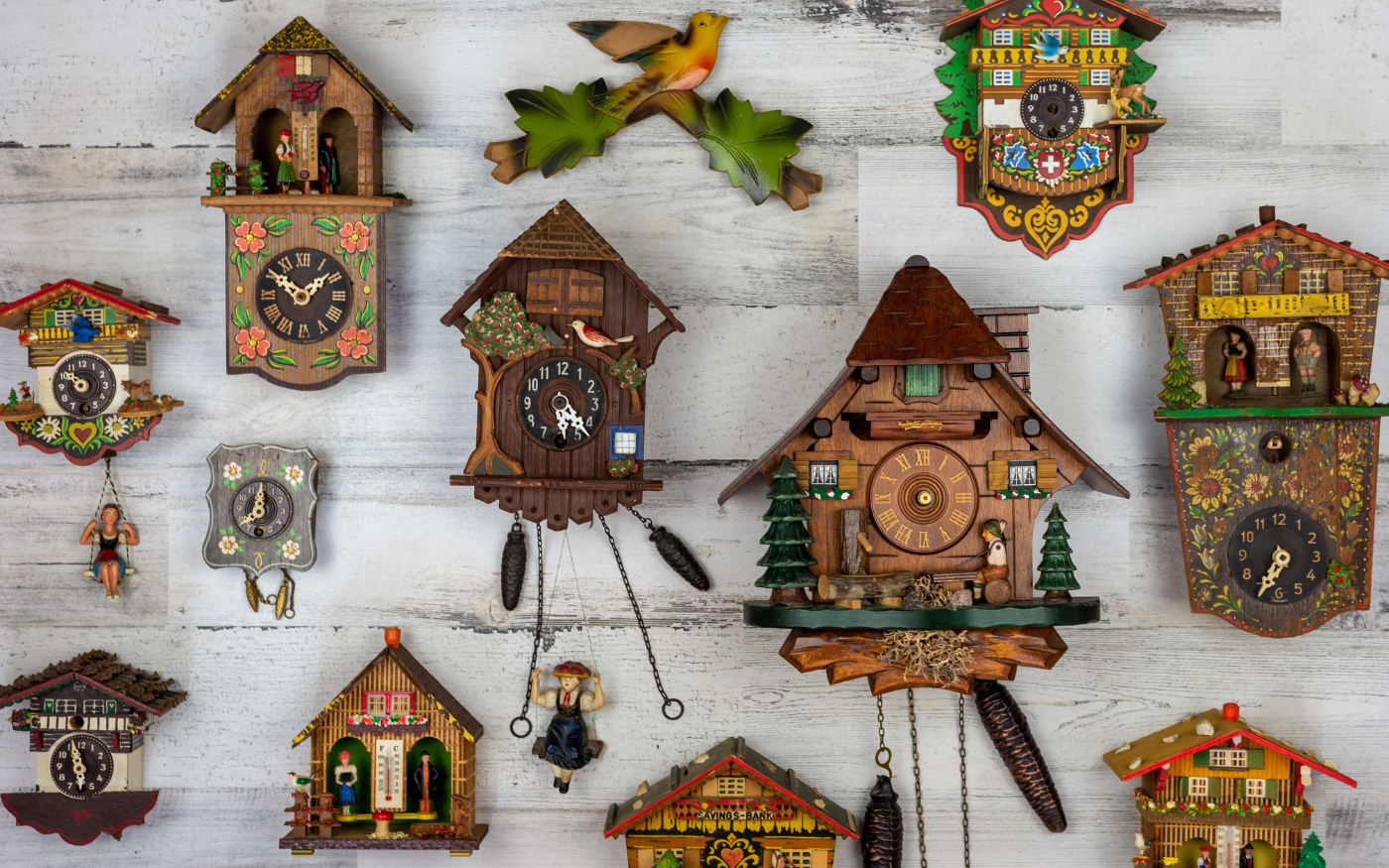
The Black Forest keeps its own time, and the clock towns of Triberg and Schonach lean into it heavily. Walk past the giant photo-op clocks and look for the VDS certificate instead, which confirms the movement and case were made in the region.
A genuine mechanical clock starts near 200 euros and climbs steeply once you add carving and moving figures.
Most shops ship internationally and pack the pendulum separately. If a clock is beyond budget, the same valleys sell Kirschwasser (clear cherry brandy) and vacuum-packed Black Forest ham.
Book your stay with Leonardo Hotels in Freiburg – your perfect base to discover the Black Forest region.
9. Solingen knives and German kitchen kit
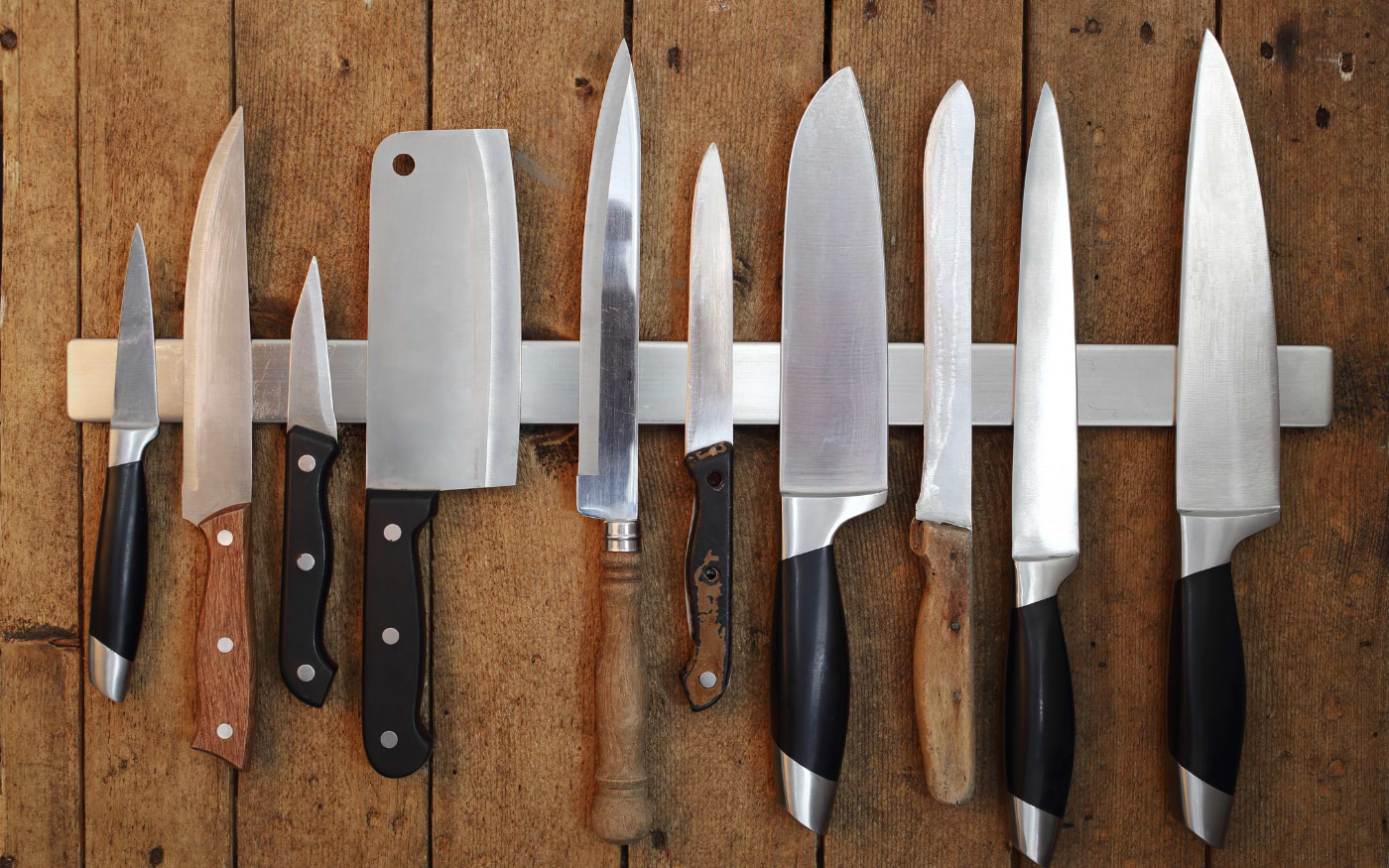
Stay in the southwest and the shopping turns to hardware. Solingen near Düsseldorf has made blades for centuries, and the city name is legally protected, which is why Wüsthof, Zwilling J.A. Henckels and Böker all come from the same few square kilometres.
A forged chef's knife costs 70 to 130 euros here, usually noticeably less than the same model at home. Galeria department stores carry the main ranges, and Solingen has its own factory outlets.
The rest of the German kitchen is worth a look too, especially Fissler pressure cookers, WMF pans and Rösle utensils. Whatever you buy, put anything sharp in the checked bag, because security will take it otherwise.
10. Pens, pencils and notebooks
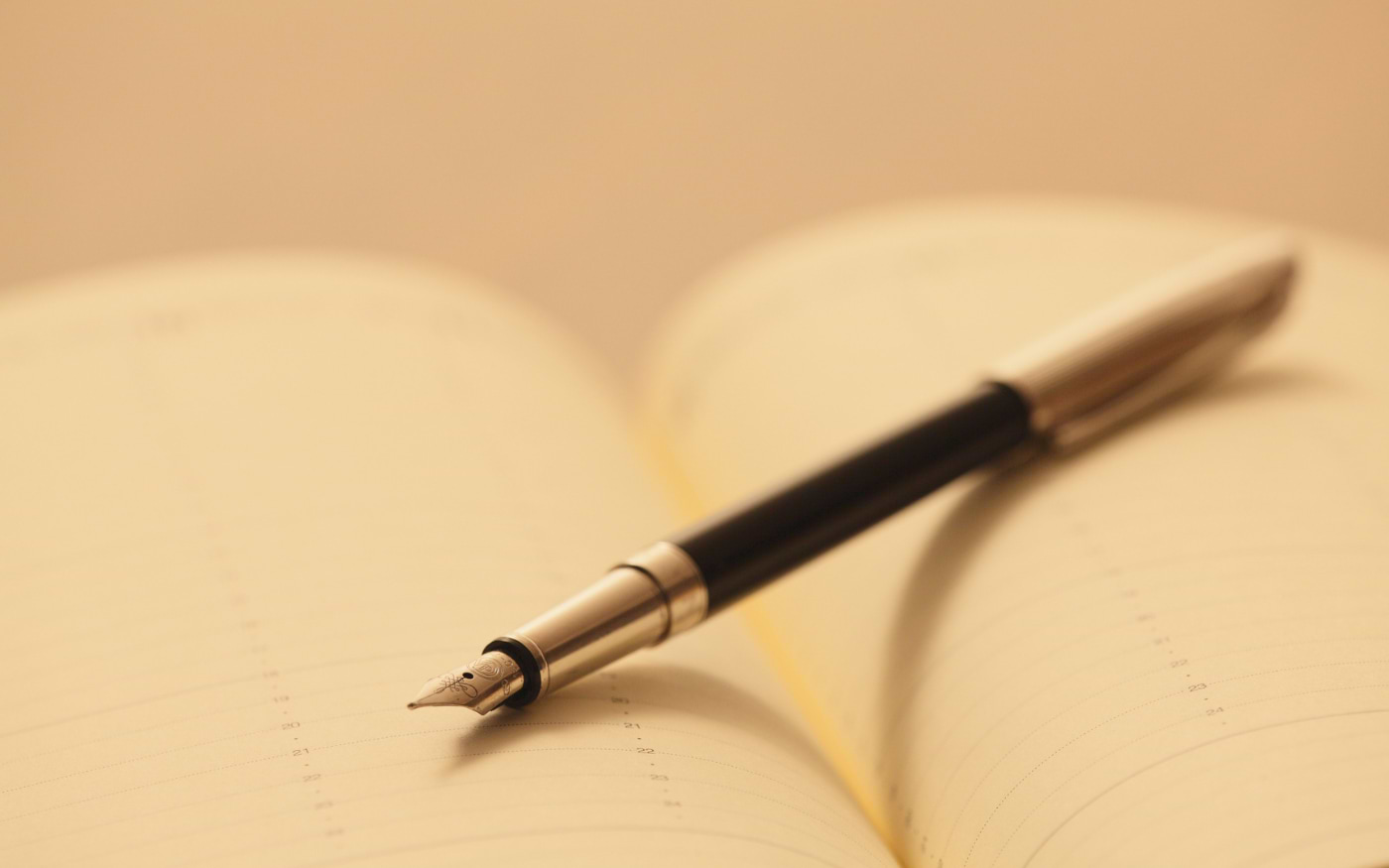
For something you can post through a letterbox, Germany makes writing gear that costs little and is close to unimprovable. Faber-Castell has been in Stein, just outside Nuremberg, since 1761, and the family castle there has both a museum and a shop.
Lamy comes from Heidelberg, and its Safari fountain pen costs around 25 euros in a colour range that changes yearly. Add Staedtler pencils, Kaweco pocket pens or a Leuchtturm1917 notebook.
This is the honest answer for friends and colleagues. A good pen is flat, light and cheap, and nobody has ever had to pretend to like one.
Book your stay at Leonardo Hotel Heidelberg City Center and discover Heidelberg with ease.
11. Steiff bears and other gifts for children
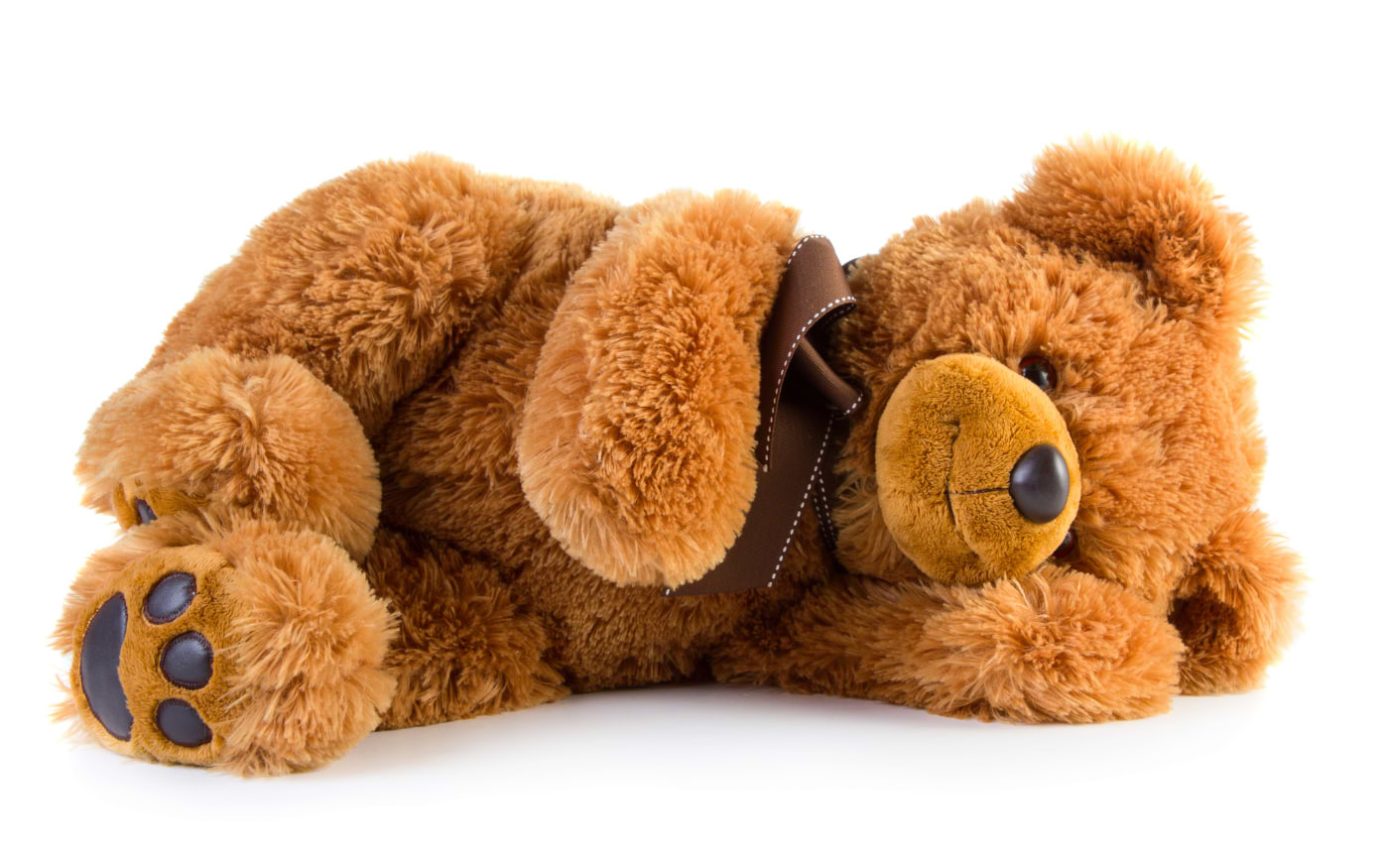
Children need a different shelf. Margarete Steiff began making stuffed animals in Giengen an der Brenz in Swabia in 1880. Since 1904 the metal button in the left ear has marked the real thing, so check the ear before you pay.
A small classic bear starts around 40 euros and limited editions run past 200.
German toy shops also sell Playmobil sets and Schleich animal figures, both designed here and far easier on the wallet.
12. Porcelain, Trachten and the luxury end
If you would rather bring home one expensive thing than ten cheap ones, two categories are waiting. Meissen in Saxony produced Europe's first hard-paste porcelain in 1710 and still marks every piece with crossed blue swords. A single hand-painted cup and saucer can cost more than your flight.
Berlin has KPM, founded under Frederick the Great, with a shop and factory tour. For something you would want to use frequently, check Villeroy & Boch that runs a big outlet at Mettlach on the Saar.
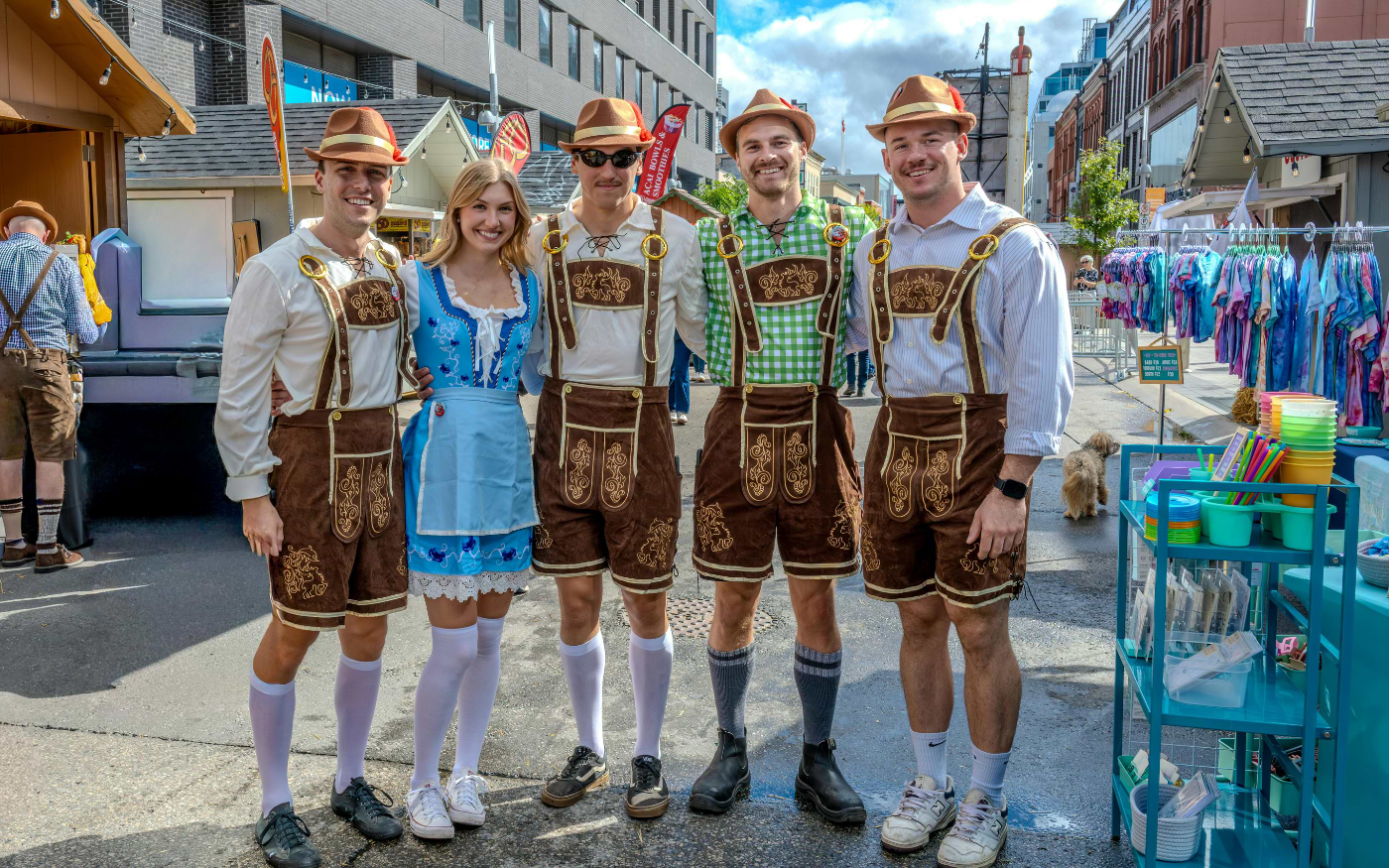
The other option is a traditional Bavarian dress. Leather Lederhosen from a Munich house like Angermaier or Lodenfrey start at 300 euros and lasts decades, and a well-made Dirndl sits in the same bracket. It’s a perfect purchase if you want to turn heads at the next Oktoberfest.
13. Mustard, spice and the pantry shelf
Back to food, and to the shelf German expats miss most. Mustard here is regional, and everyone defends the jar they grew up with.
Bautzner from Saxony is the eastern default. Düsseldorf has Löwensenf extra hot, plus a tiny mustard shop by the old town selling Original Düsseldorfer Mostert in a grey ceramic crock. Bavaria makes the sweet coarse-grained kind that belongs with Weisswurst.
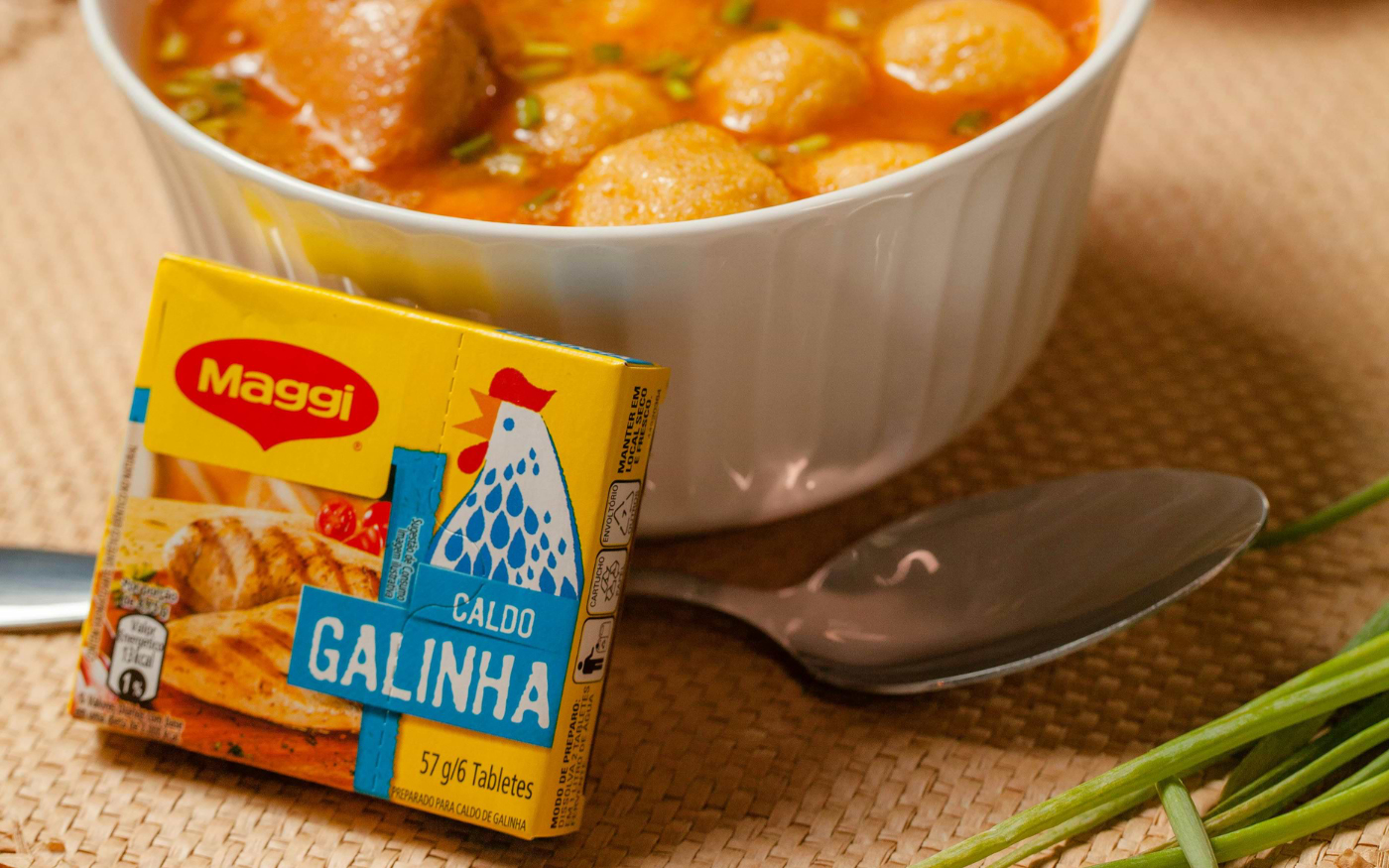
Around those jars, build a pantry haul: Maggi Würze seasoning, bread spice for baking, dried Spätzle and pumpkin seed oil from a market stall. In Advent, add a Dresdner Christstollen with the gold seal on the box, the protected original rather than a supermarket copy.
14. Chocolate and coffee
Chocolate deserves its own line, and Ritter Sport deserves the detour. The factory shop in Waldenbuch near Stuttgart sells broken chocolate by the kilo for a few euros.
Further north, Halloren Kugeln come from Halle in Saxony-Anhalt, made at the oldest chocolate factory in the country. Munich's Dallmayr sells coffee in the dark blue packaging that has sat on German breakfast tables for generations. None of it costs more than 10 euros, and all of it fits in hand luggage.
15. Schnapps and herbal liqueur
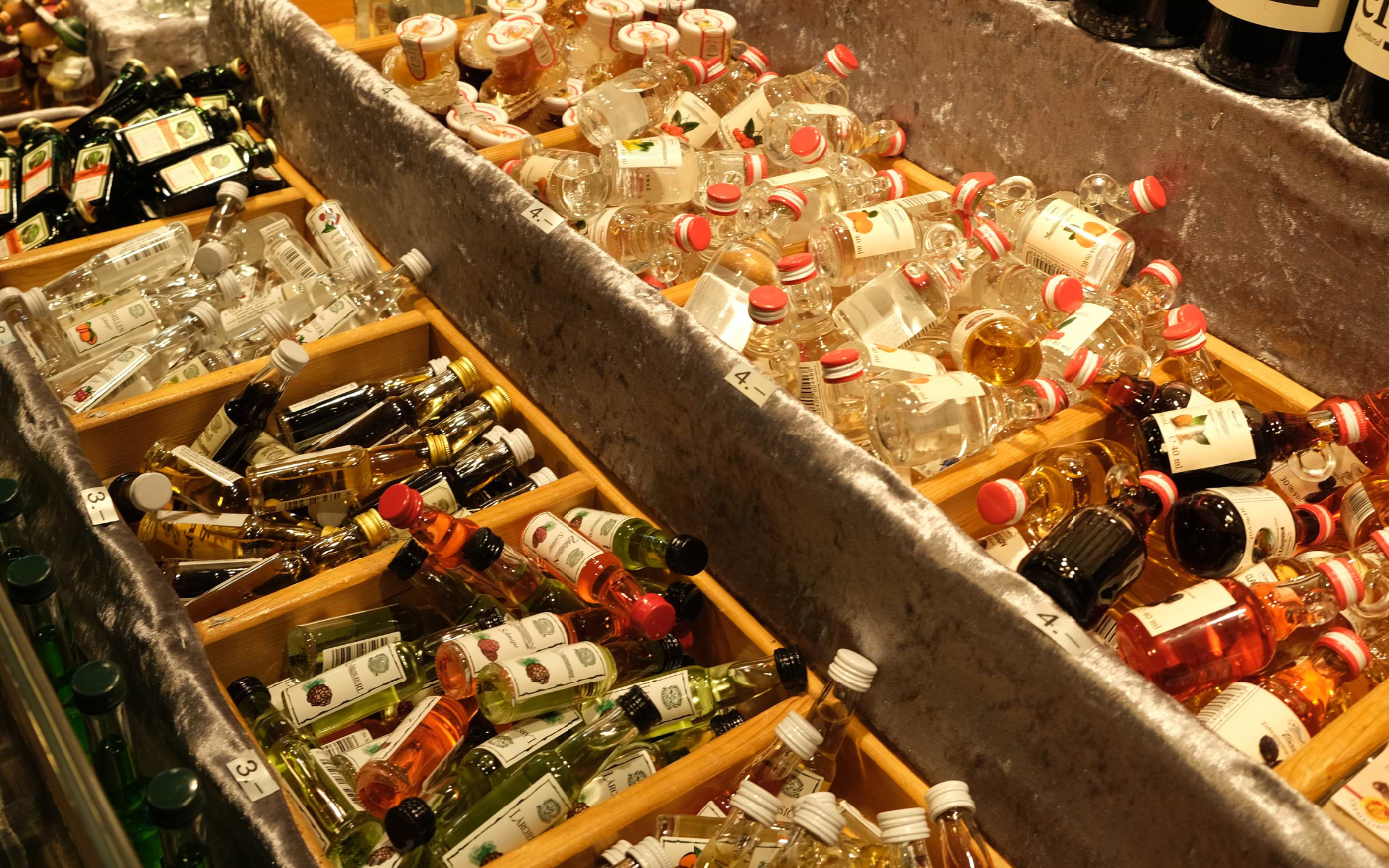
The drinks cabinet is regional again. Jägermeister comes from Wolfenbüttel in Lower Saxony, where it is drunk cold and entirely unironically. Underberg arrives from Rheinberg in single-serve bottles wrapped in straw paper, and Düsseldorf pours Killepitsch, a dark herbal liqueur best taken standing up at Et Kabüffke.
Berlin offers Berliner Luft, a bright peppermint liqueur that tastes like toothpaste and stays stubbornly popular. The southwest sticks to fruit, so look for Kirschwasser, Williams pear and Obstler.
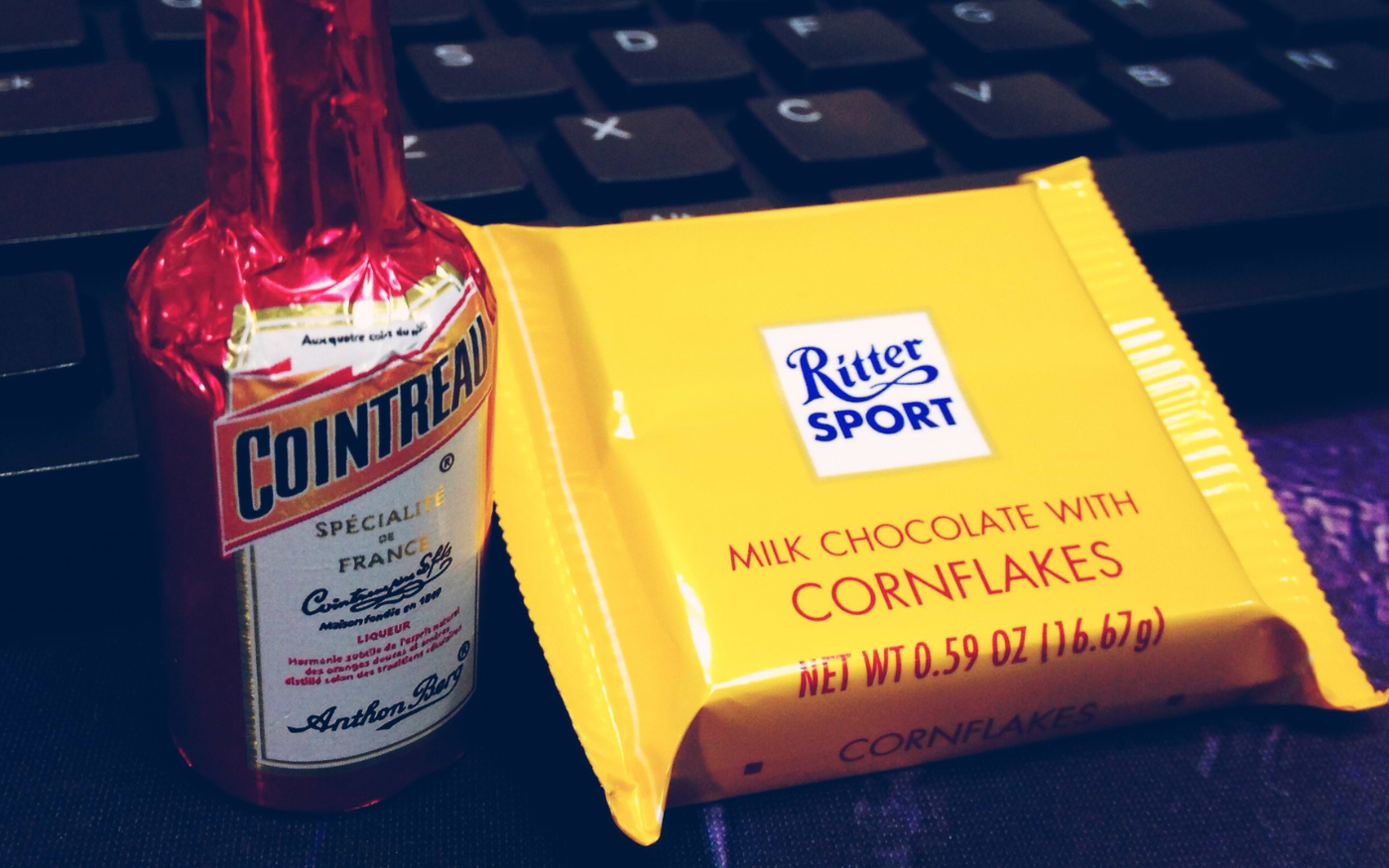
The clever buy is the 40ml miniature, which slips under the 100ml liquid limit and travels in hand luggage. A mixed set of five makes a good gift for about 15 euros.
16. Berlin one-offs
Berlin plays by its own rules, and some things to buy in Berlin exist nowhere else. The Ampelmann, the little hatted figure from East German pedestrian lights, is one of the cool souvenirs from Germany you cannot get abroad. His shops around Hackescher Markt sell everything from tote bags to liquorice.
Currywurst spice tins cost about 5 euros and weigh nothing.
One thing to walk past: the "authentic Berlin Wall fragments" sold along Unter den Linden.
17. The drugstore bargains
The cheapest good souvenir to buy in Germany is probably sitting in a drugstore. 4711 Echt Kölnisch Wasser has been made in Cologne since the 1790s. The flagship shop on Glockengasse has a fountain of it you can run your hands through, and bottles start at 10 euros.
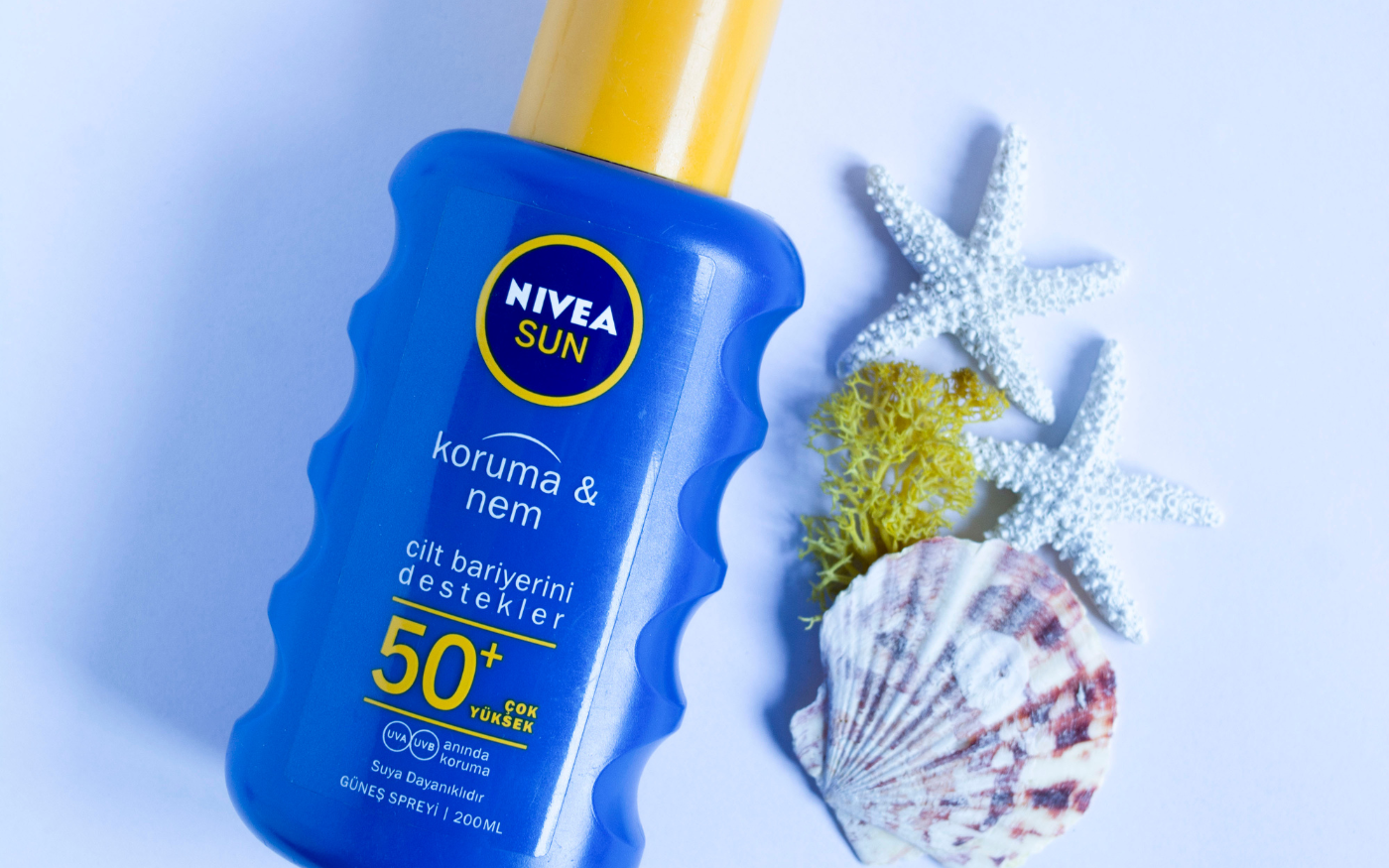
Nivea was invented in Hamburg, and the blue metal tins come in every size. Add Kneipp bath salts, Weleda Skin Food or anything from the Balea range at dm, all under 15 euros.
Where locals shop, and what it all costs
The best stuff to buy in Germany is rarely sold near main stations or cathedral squares, so aim for these instead:
- Factory shops and Manufakturen: Ritter Sport in Waldenbuch, Steiff in Giengen, Villeroy & Boch in Mettlach, the Haribo outlets.
- Weekly markets: oil, honey, cheese and spices straight from producers, usually Wednesday and Saturday mornings.
- Christmas markets: from late November, the best single source for ornaments, Lebkuchen and Stollen.
- Craft courtyards: Nuremberg's Handwerkerhof, with smaller versions in Rothenburg and Regensburg.
- Department stores: Galeria for knives, porcelain and kitchen goods at fair prices.
- Supermarkets: Edeka and Rewe for chocolate, mustard, spices and beer; unglamorous, unbeatable value.
The cheapest things to purchase in Germany are in supermarkets and at market stalls. Gummy bears, a bar of chocolate, a jar of mustard and a bottle of Riesling will cover a whole family for under 30 euros.
Getting it all home
Liquids over 100ml cannot fly in the cabin, so wine, beer and full-size bottles go in the checked bag. Wrap each one in clothing and keep it away from the edges of the case. Wine shops sell moulded cardboard shippers for a euro or two.
Duty-free shops beyond security are the exception. Bottles bought there travel in the cabin, sealed in a tamper-proof bag if you have a connection.
Allowances depend on where you are heading. Within the EU there is no practical limit on personal quantities. The UK allows 42 litres of beer and 18 litres of still wine. The United States is far stricter, at roughly one litre of alcohol duty-free.
If you live outside the EU, ask for a tax-free form (Ausfuhrbescheinigung) on anything over about 50 euros. Get it stamped at customs before check-in and you can claim back part of the 19 per cent VAT.
Travelling with hand luggage only, stick to marzipan, Lebkuchen tins, chocolate, pens, spice tins and miniature spirits.
Frequently Asked Questions
Which souvenirs are easy to pack?
Flat, sealed and unbreakable is the rule, which covers marzipan bars, Lebkuchen tins, chocolate, pens and spice tins. Glass ornaments travel well in their own box, padded with clothes. Anything ceramic or bottled belongs in the middle of a checked bag.
Which German gifts are good for food lovers?
Regional mustard, Nuremberg Lebkuchen, Lübeck marzipan and Dallmayr coffee make a strong hamper, especially with a bottle of dry Mosel Riesling. Vacuum-packed Black Forest ham travels fine within the EU, though not to the United States. Markets and supermarkets beat souvenir shops on price and quality.
Which souvenirs are best if you're on a budget?
Head for supermarkets and drugstores, where gummy bears, a bar of Ritter Sport, a jar of mustard and a tin of Nivea come to under 10 euros. Faber-Castell pencils and Kneipp bath salts cost about the same. The Ritter Sport factory shop sells broken chocolate by weight.
What souvenirs are easy to carry?
Anything light and flat, so pens, chocolate, marzipan, spice tins, cologne and small wooden ornaments. Miniature 40ml bottles of schnapps stay under the hand luggage liquid limit; full-size bottles do not. Leave steins, clocks and porcelain for the checked bag, or ask the shop to ship them.
Conclusion
The best souvenir from Germany almost always has a town attached to it, whether that is marzipan from Lübeck, a clock from Triberg or a knife from Solingen. Buy where the thing is made, check the maker's mark, and pack the bottles in the middle.
Leonardo Hotels has properties in more than 40 German cities, including Berlin, Munich, Nuremberg, Cologne and Hamburg. Most sit a short walk from the markets and workshops worth your time.
Book your stay with Leonardo Hotels in Germany now!
Find your next hotel