Best Places To Visit In Italy For The First Time Visitors
Travelling to Italy for the first time is one of those decisions you'll never regret. You already know that, though. The real question is: where do you actually go?
Italy is not a small country, and it is not a simple one either. Each region has its own dialect, its own cuisine, its own personality. The north feels almost Central European in places. The south has more of a sun-bleached energy that can feel like a different country altogether. Then there is everything in between: Renaissance hill towns, dramatic coastlines, volcanic islands, and ancient ruins scattered so casually you almost stop noticing them.
Most first-time visitors wisely focus on the classics. And that is perfectly sensible. The best places to visit in Italy for first-timers are famous for a reason. But knowing how to combine them together is where planning really required.
The best places to visit in Italy for first-time visitors at a glance:
Rome, Florence, and Venice form the classic first-trip trio — covering ancient history, Renaissance art, and canal-side charm. With more time, Milan, Verona, Lake Garda, and Sicily are all worth adding to the itinerary.
This guide walks you through Italy's most compelling destinations for first-time visitors: from the eternal grandeur of Rome, through the art-saturated streets of Florence, across the shimmering canals of Venice, and beyond into Milan, Verona, Lake Garda, and Sicily. By the end, you will know exactly where to begin.
How Many Days Do You Need?
A week in Italy is entirely doable, but you will feel rushed. Ten days to two weeks is the sweet spot for first-timers who want to see multiple cities without living out of a suitcase on a train every other morning.
A solid 7-day Italy itinerary for first-timers might look like this: three nights in Rome, two nights in Florence, two nights in Venice. It is compact but covers the essential triangle. A 10-day version gives you breathing room: four nights in Rome, two in Florence, one in Verona, and three in Venice. Add Sicily or the Lakes for two weeks and you will have a genuinely well-rounded trip.
One piece of advice worth taking seriously: do not overstuff your itinerary. Italy is a country best enjoyed slowly. Leave room to wander, to sit at a café, to stumble into a neighbourhood market. The best moments often happen off-schedule.
When Is the Best Time to Visit Italy?
The short answer: April to June and September to October. The weather is pleasant, the light is beautiful, and the crowds have not yet reached their summer peak.
July and August are hot, busy, and expensive, particularly in Rome and the coastal areas. That said, this is also when Italy comes alive with outdoor events and long evenings on restaurant terraces. If you can book early and travel with heat in mind, summer can still be magical.
Winter travel, from November through February, offers the thinnest crowds and the lowest prices. The cultural sites are still open, and cities like Rome and Florence are very much alive. The downside is cooler temperatures and the possibility of rain, particularly in the north.
The Holy Trinity: Rome, Florence, and Venice
Most first-time visitors to Italy build their trip around the so-called 'Holy Trinity': Rome, Florence, and Venice. There is good reason for this. Together, these three cities tell the full story of Italian civilisation, from ancient empire to Renaissance to fashion capital of the world. They are also well-connected by high-speed train, which makes moving between them genuinely easy.
But they are also very different from one another. Rome is loud, layered, and slightly chaotic in the best possible way. Florence is more contained and contemplative, a city of art and serious food. Venice defies comparison entirely. Knowing what to expect from each one helps you allocate your time wisely.
Rome: The City That Started Everything
Rome is absolutely worth visiting for first-time travellers, and it rewards anyone willing to move slowly. There is more history compressed into this one city than most countries can claim. The question is not what to see, but what to prioritise.
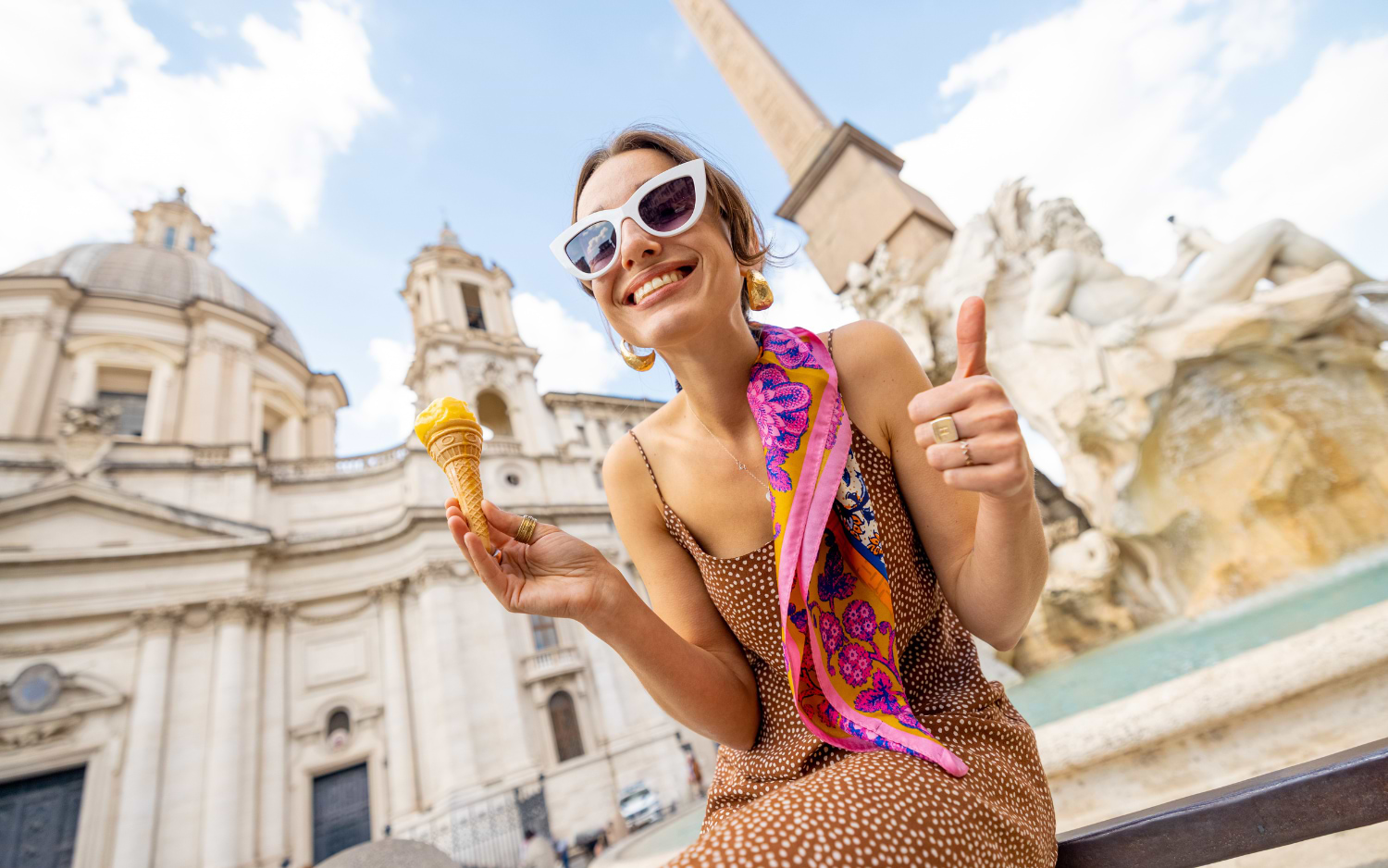
For first-time visitors to Rome, the non-negotiables are: the Colosseum and the Roman Forum, the Pantheon, the Trevi Fountain, the Spanish Steps, and at least a half-day in Vatican City, which means the Sistine Chapel and St Peter's Basilica. Book timed entry tickets in advance for all of these. The queues without a booking can consume an entire morning.
Beyond the obvious landmarks, spend an evening in Trastevere, Rome's most atmospheric neighbourhood. Its cobbled streets and ivy-covered buildings feel genuinely medieval after dark. The food here is excellent: traditional Roman pasta dishes like cacio e pepe, carbonara, and amatriciana are exactly what you should be eating, and nowhere does them better.
Rome's food culture is proudly conservative. You will not find elaborate fusion menus here. What you will find is technique honed over generations and ingredients sourced with obsessive care. Resist the tourist-trap restaurants near the main sites and walk two or three streets further for something far better.
Where to stay in Rome for first-time visitors:
Location matters enormously in Rome, where the sights are spread across a large city. These three Leonardo Hotels cover the city's key areas well.
- Leonardo Boutique Hotel Rome Termini sits just minutes from Termini station, making arrivals and day trips to other cities effortless. Excellent guest ratings and great transport links. Book your stay →
- Leonardo Boutique Hotel Rome Monti places you in the heart of Rome's hippest neighbourhood, steps from the Colosseum, Trevi Fountain, and Piazza di Spagna. Explore the hotel →
- NYX Hotel Rome offers a livelier, design-forward option near Piazza di Spagna and the Vatican. Perfect if you want to be within walking distance of both the art and the nightlife. See availability →
Florence and Tuscany: Art, Architecture, and Incredible Food
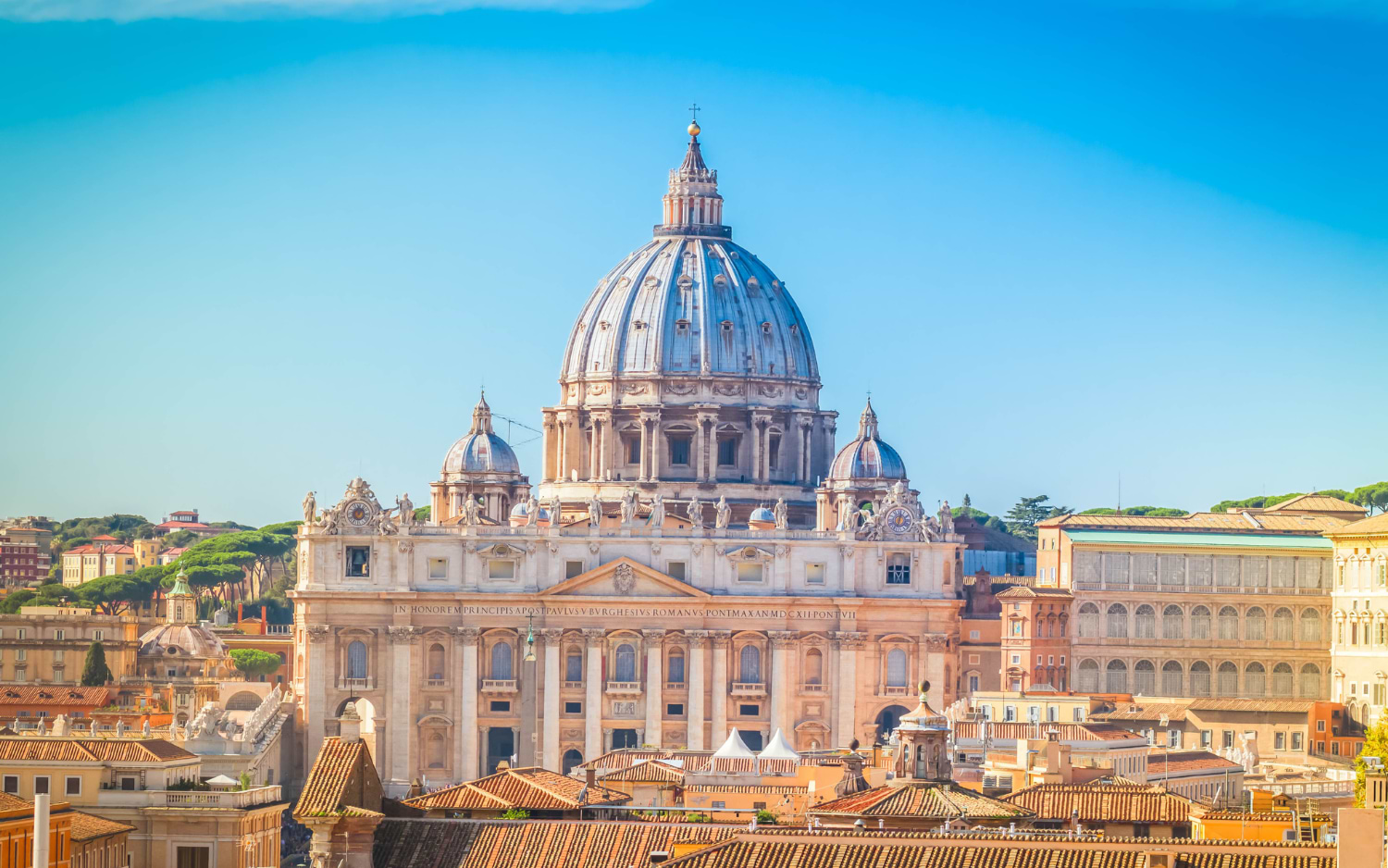
Florence is, without question, one of the best places to visit in Italy for first-timers. It is also one of the most underestimated. Many visitors arrive expecting a city entirely devoted to Renaissance masterpieces and leave surprised by how alive and contemporary it feels alongside all that history.
The must-sees are clear: the Uffizi Gallery (book weeks in advance in high season), Brunelleschi's extraordinary Duomo with its breathtaking dome, the Accademia to see Michelangelo's David, and the Ponte Vecchio. But Florence also rewards wandering. The Oltrarno neighbourhood, on the south side of the Arno, has a quieter, more artisan character. Here you will find small craft workshops, wine bars, and restaurants that cater mainly to locals.
Tuscany beyond Florence is one of the most beautiful regions in all of Europe. If you have a day or two to spare, rent a car and drive into the Chianti hills. Stop at a winery, eat lunch somewhere with a view of cypress trees and rolling farmland, and remind yourself why people plan entire trips around this one region. The towns of Siena and San Gimignano are both worth a half-day each if your schedule allows.
Tuscany is also one of Italy's most celebrated food regions. Think: hand-rolled pasta, bistecca alla Fiorentina (a thick-cut T-bone with Chianti on the side), ribollita (a rich bread and vegetable soup), and some of Italy's finest olive oil and wine. Food here is taken very seriously, but it is rarely pretentious.
Venice: Worth Every Cliché
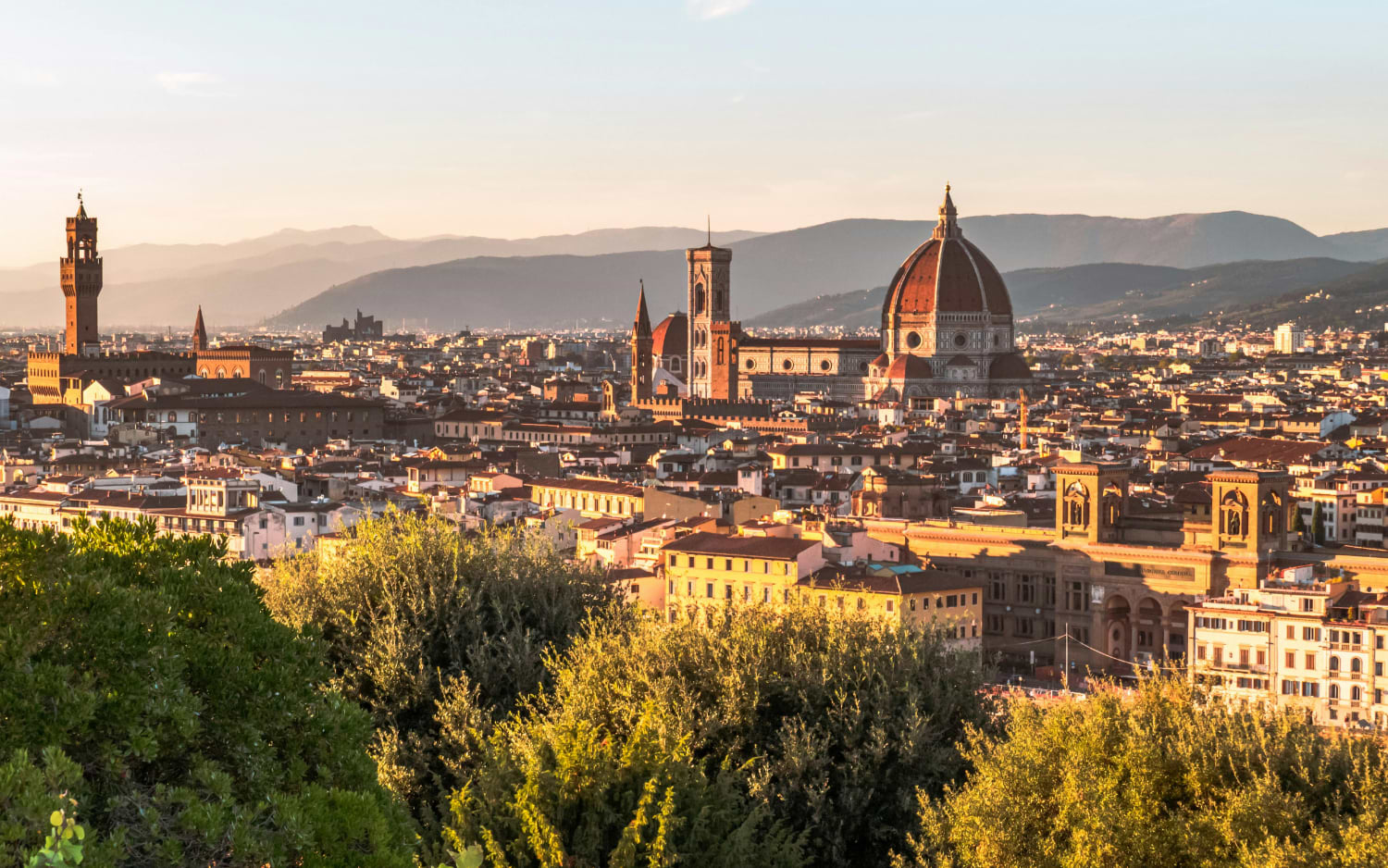
Yes, Venice is crowded. Yes, it can be expensive. And yes, it is absolutely worth visiting for the first time. Nothing fully prepares you for the experience of stepping out of Santa Lucia station and realising there is no road in front of you, just water.
The key to enjoying Venice is timing and willingness to get lost. Arrive early or stay late. The city transforms completely once the day-trippers leave on the late afternoon trains. The early morning, before 9am, is Venice at its most atmospheric: quiet canals, golden light, and almost no crowds.
On your first visit, prioritise: Piazza San Marco and the Basilica (go early), the Doge's Palace, a gondola ride (expensive but genuinely lovely at dusk), and the Rialto Bridge and its market. Then give yourself a morning to simply walk without a map. Take turns at random. End up somewhere you cannot name. That is the real Venice experience.
Venetian food is quite distinct from the rest of northern Italy. Cicchetti, small bar snacks served with a glass of local wine called an ombra, are the city's unofficial street food. Duck into any bacaro (a traditional Venetian wine bar) around 6pm and eat the way locals do.
Book your stay in Leonardo Royal Hotel Venice Mestre and enjoy a comfort of a centrally located hotel.
Looking to Extend Your Itinerary?
Milan: For Those Who Want More Than Museums
Milan is often left off first-timers' itineraries, which is a mistake. It does not have Rome's ancient gravity or Florence's Renaissance concentration, but it has something different entirely: a sophisticated, forward-looking urban energy that is entirely its own.
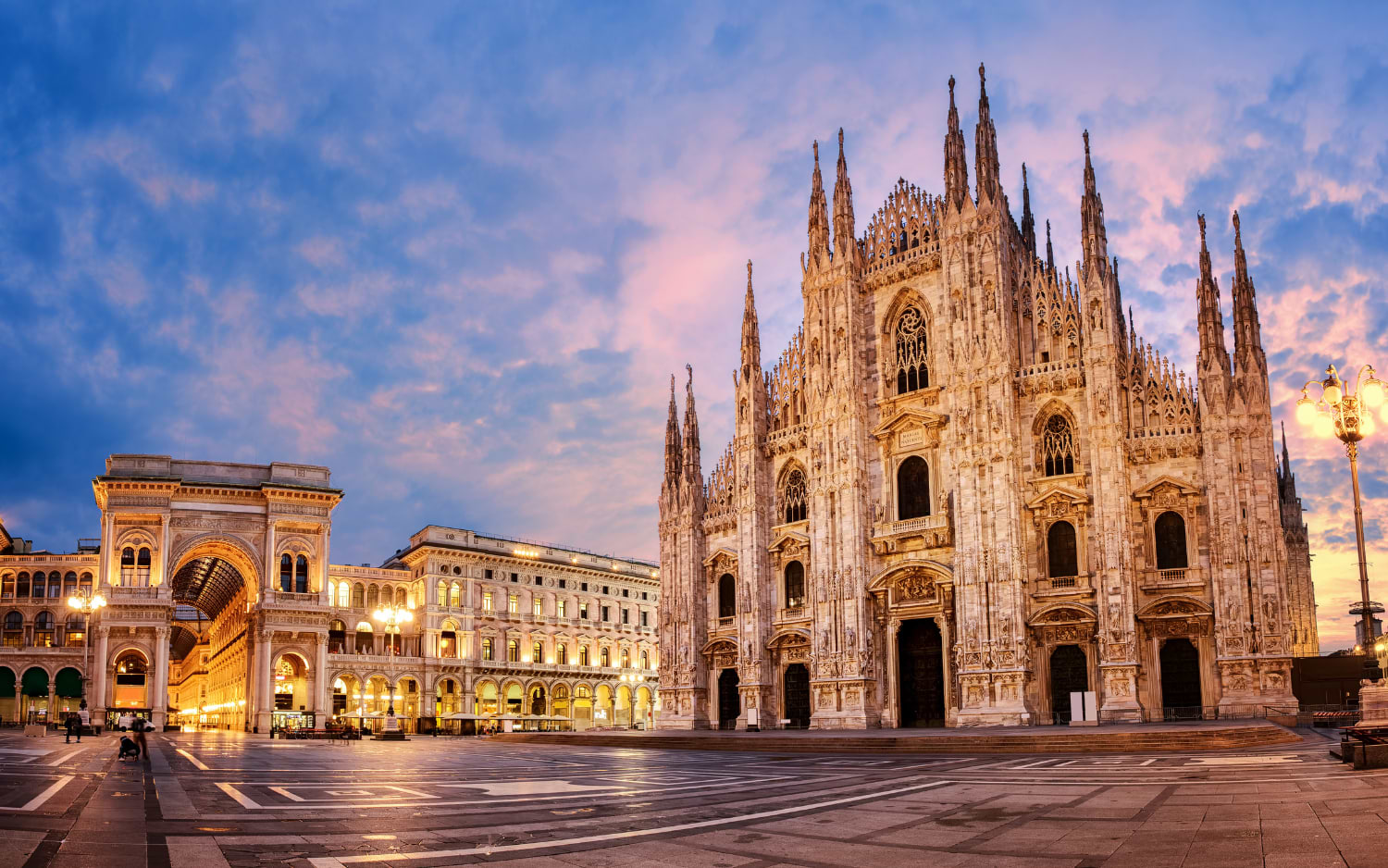
The Duomo di Milano is genuinely staggering, one of the largest Gothic cathedrals in the world. Walk up to the rooftop terrace for panoramic views across the city and, on clear days, towards the Alps. Nearby, the Galleria Vittorio Emanuele II, one of the world's oldest shopping arcades, is both a retail destination and an architectural marvel worth at least a coffee stop.
Then there is Leonardo da Vinci's The Last Supper, housed in Santa Maria delle Grazie. This is one of the most visited artworks on earth; book your timed slot months in advance if you are serious about seeing it. The painting is smaller than most people expect and all the more moving for it.
Milan is also the undisputed capital of Italian fashion and design. The Quadrilatero della Moda, the city's high-fashion district, is worth exploring even if you are window shopping. The city's food scene is exceptional too, particularly for risotto (the Milanese version, with saffron, is a classic), Cotoletta alla Milanese, and the city's vibrant aperitivo culture.
To be in the centre of the action, book your stay at NYX Hotel Milan.
Verona: Shakespeare's City in Real Life
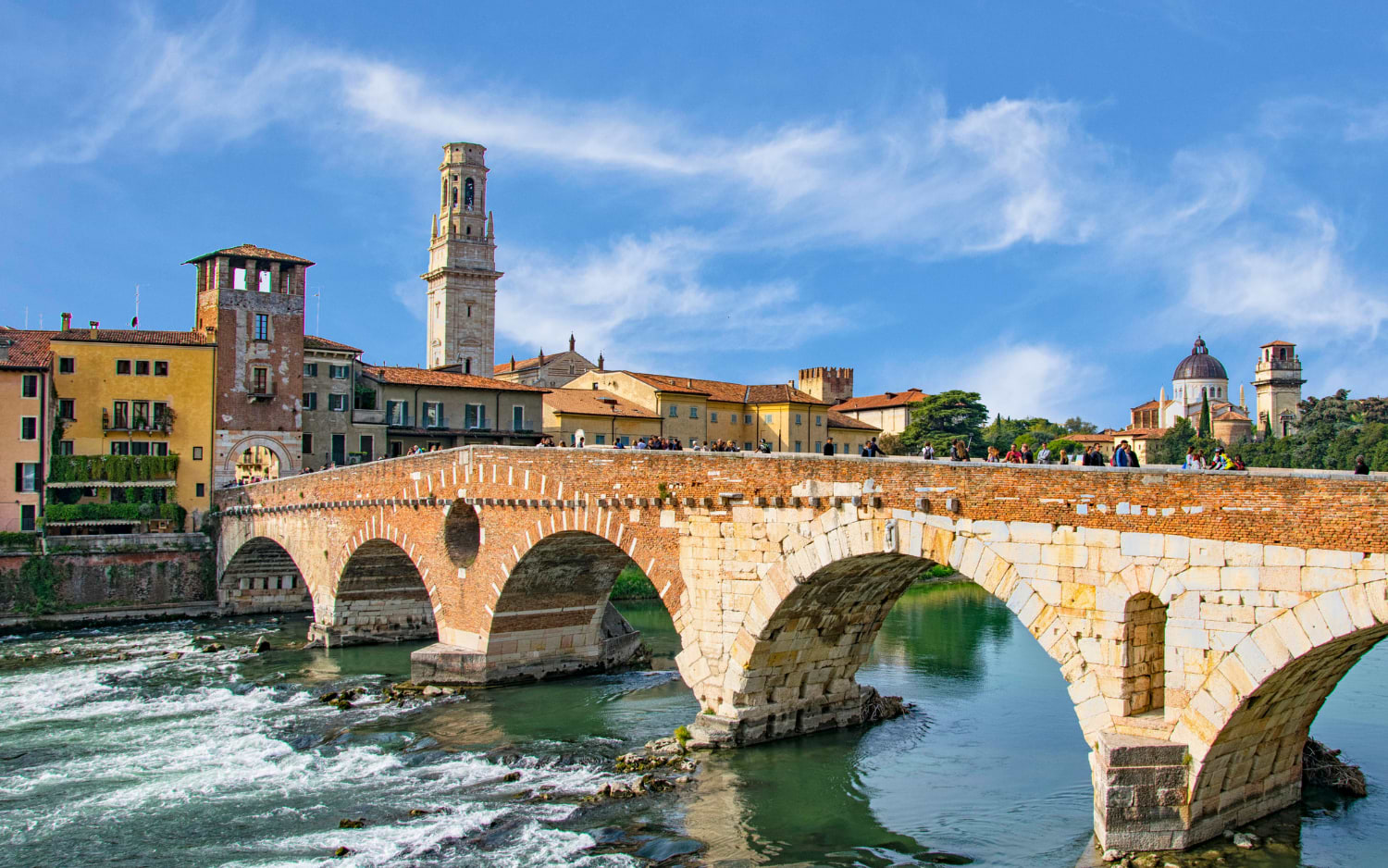
Verona is one of Italy's most underrated destinations for first-time visitors. It is compact, beautiful, and far less crowded than the major cities. Most people know it as the setting for Romeo and Juliet, which technically never happened there, but the city has leaned into it charmingly.
The Arena di Verona, a remarkably preserved Roman amphitheatre in the heart of the city, still hosts opera performances in summer. Sitting in a 2,000-year-old arena watching Verdi on a warm evening is one of those experiences that stays with you. The opera season typically runs from late June through early September.
Beyond the arena, Verona's Piazza delle Erbe, a lively market square surrounded by frescoed medieval buildings, and the Castelvecchio fortress are both genuinely impressive. The city sits on the Adige river and has a softly romantic quality that makes it a natural addition to any northern Italy itinerary.
Book your stay at Leonardo Hotel Verona and enjoy convenient location at a lower price!
Lake Garda: Where the Alps Meet the Mediterranean
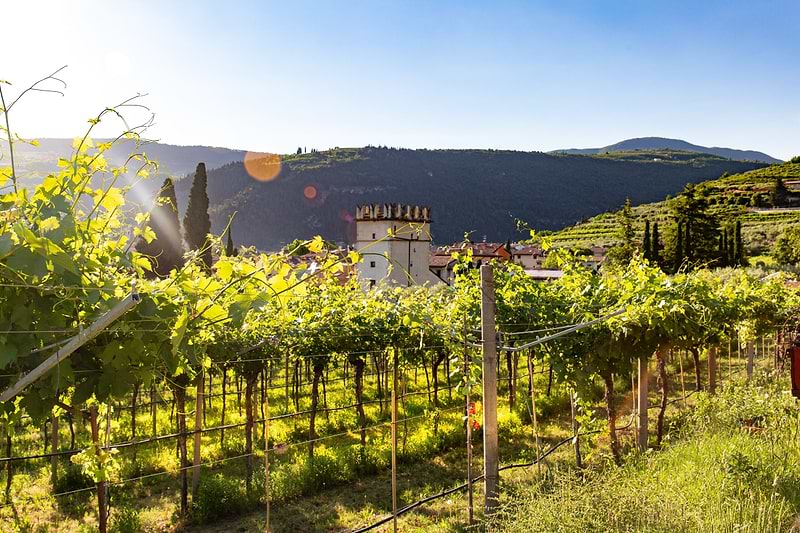
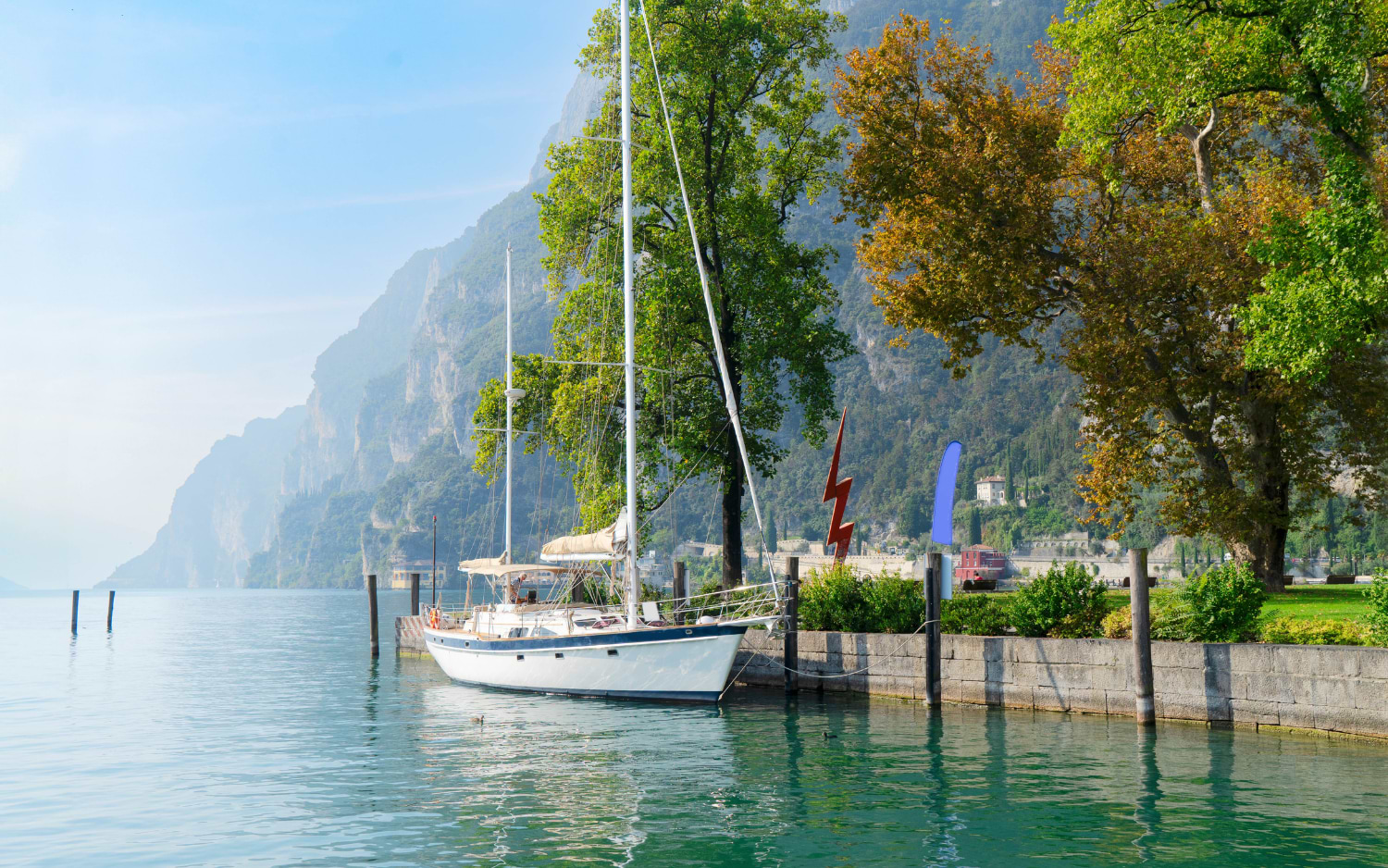
Lake Garda sits at a fascinating crossroads. The northern end of the lake, ringed by sharp Alpine peaks, feels almost Austrian. The southern end, broader and sunnier, has a distinctly Mediterranean character with olive trees and lemon groves climbing the hillsides.
For first-timers, the towns of Sirmione, with its dramatic promontory castle and Roman ruins, Riva del Garda in the north, and Malcesine, reachable by cable car to a spectacular Alpine viewpoint, are the highlights. The lake is also excellent for watersports, cycling, and simply sitting by the water with a glass of local wine.
Lake Garda works well as a two to three day add-on to a northern Italy trip, particularly if you are already in Verona (about 30 minutes away by car) or Milan (about an hour). It offers a genuine change of pace from the city-hopping that defines most Italian itineraries.
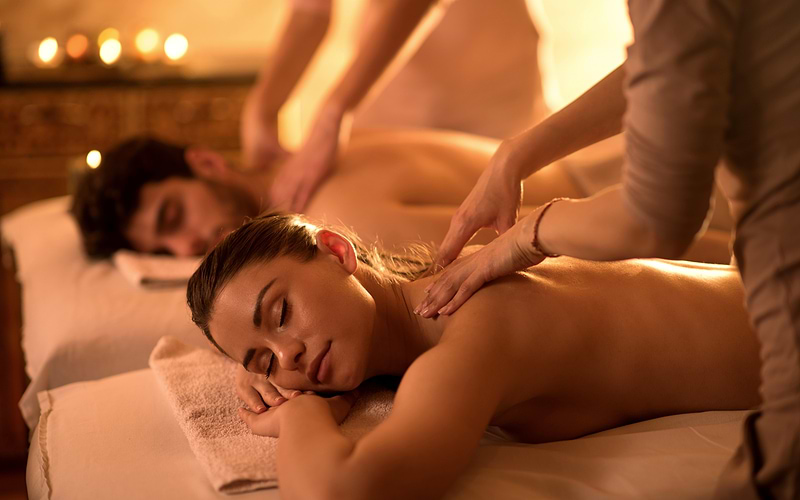
For a truly relaxing experience, book your stay at Leonardo Hotel Lago di Garda – Wellness and Spa and enjoy top-class spa throughout our stay.
Sicily: A Country Within a Country
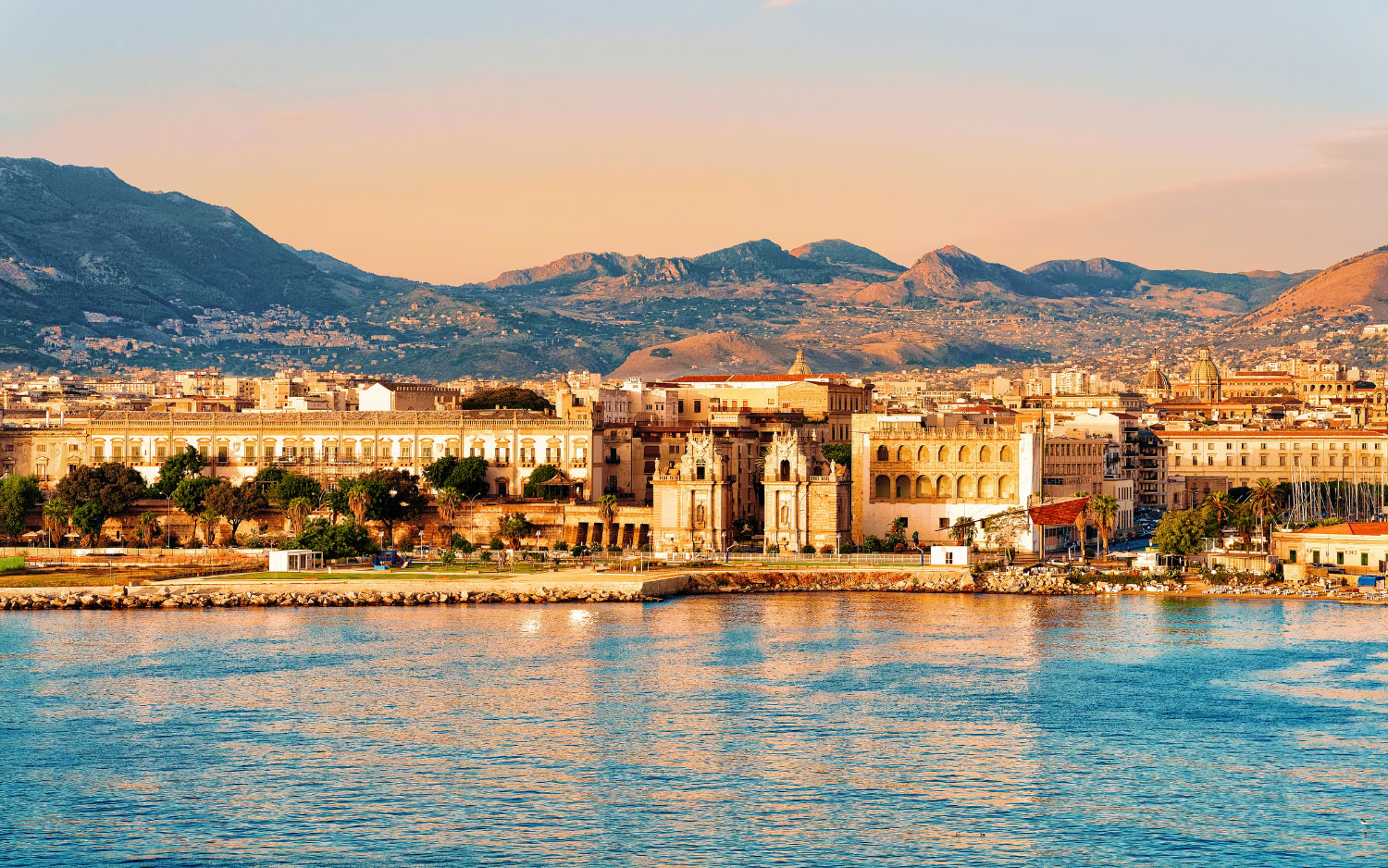
Sicily is unlike anywhere else in Italy. It sits closer to Tunisia than it does to Milan, and that geographical reality is woven into everything: the food, the architecture, the pace of life, the faces. If you have time to venture south, Sicily rewards it generously.
The capital, Palermo, is one of the most fascinating cities in Europe: layered with Arabic, Norman, Spanish, and Byzantine history, and home to some of the most exuberant street food culture on the continent. The Ballarò market is extraordinary. The food, including arancini, panelle, and sfincione, is genuinely different from anything on the mainland.
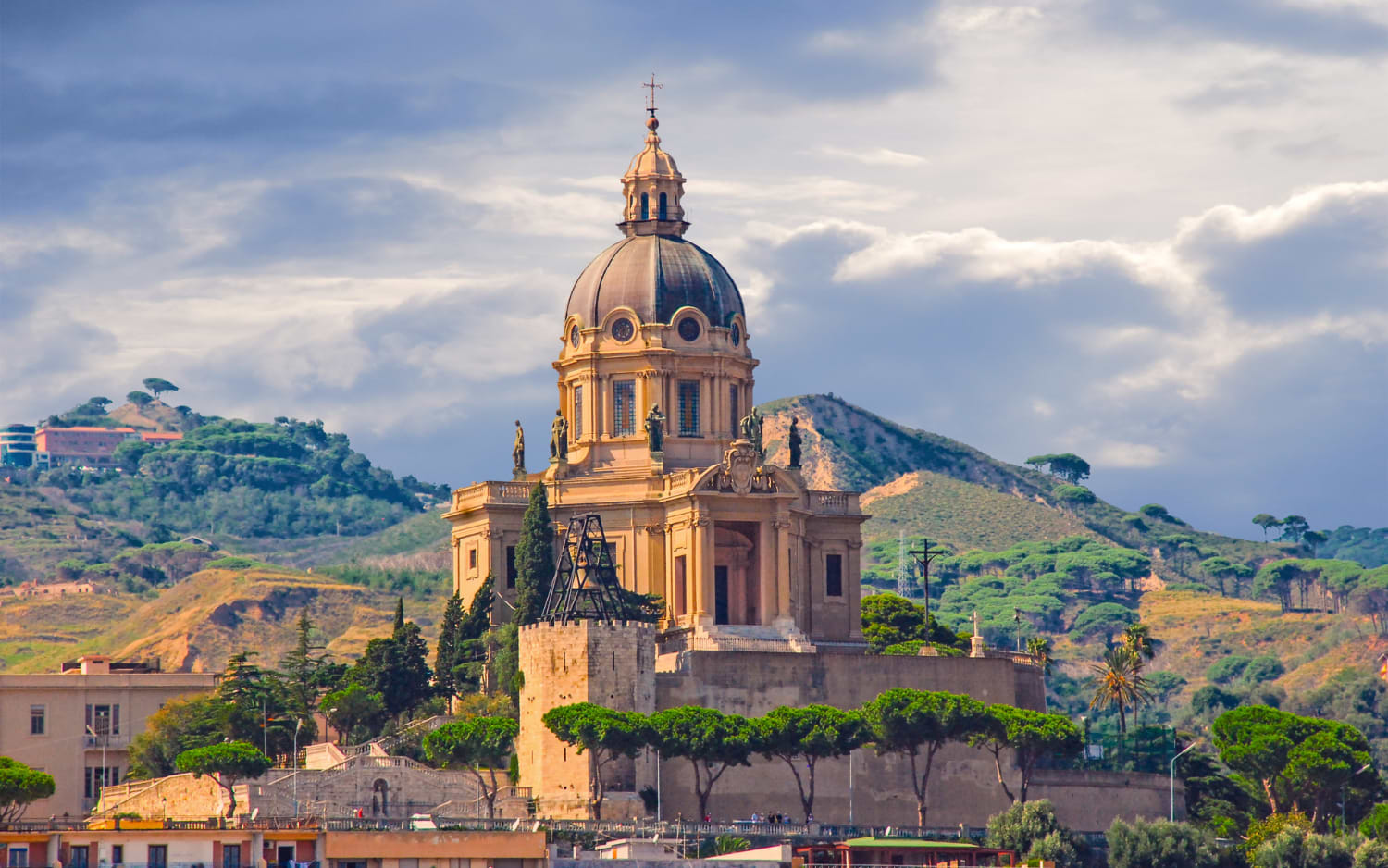
Beyond Palermo, the Valley of the Temples near Agrigento is one of the best-preserved collections of ancient Greek ruins outside of Greece itself. The baroque towns of the south-east, including Ragusa, Noto, and Modica, are among the most beautiful in all of Italy. And then there is Mount Etna, one of the world's most active volcanoes and a destination in its own right.
Sicily is best added to a two-week-plus itinerary or treated as a destination on its own. It is not a quick add-on. But for travellers willing to commit the time, it is one of the most rewarding places in the whole of Italy.
What First-Time Visitors Should Know Before Travelling to Italy
A few things worth knowing before you go:
- Book the big attractions in advance. The Colosseum, Uffizi, Vatican Museums, The Last Supper, and the Accademia all have timed entries. Arrive without a booking and you may spend half your day in a queue, or risk not get in at all.
- Learn a few words of Italian. Locals genuinely appreciate the effort. A simple 'buongiorno' and 'grazie' go a long way.
- Dress codes matter. Churches, including St Peter's Basilica and the Pantheon, require covered shoulders and knees.
- Lunch is the main meal. Italians eat a proper lunch between 1pm and 3pm and a lighter dinner. If you want to eat like a local, adjust your schedule accordingly.
- High-speed trains are your friend. The Frecciarossa and Italo trains connect Rome, Florence, and Venice comfortably. Rome to Florence takes about 1.5 hours. Florence to Venice is about 2 hours. Book in advance for the best prices.
- Avoid tourist-trap restaurants. Any restaurant with photos on the menu is best avoided. Walk a few streets away from the main sights and prices drop dramatically while quality rises.
- Tap water is safe to drink. Italy has excellent public drinking fountains, especially in Rome. Use them.
One City or Many? How to Structure Your First Italy Trip
The best route for a first-time Italy trip depends on your priorities. If you have only a week, it is worth sticking to two or three cities rather than trying to see everything and feeling perpetually in transit.
If you genuinely want to understand Italian culture, spending more time in fewer places is always the better call. A week in Rome alone, done properly, will leave you with a richer experience than a frantic tour of five cities. But if variety and contrast are what you are after, the Rome-Florence-Venice triangle is the best structure for a first visit.
For those with ten days or more, add Verona and the Lake Garda to the northern end of your trip, or fly into Milan and work southwards. Sicily is best paired with a longer holiday or a dedicated return visit.
Frequently Asked Questions
What are the best places to visit in Italy for first-time visitors?
Rome, Florence, and Venice form the essential first-visit circuit. Beyond the classic three, Milan, Verona, Lake Garda, and Sicily each offer something distinct. Most first-timers do best focusing on two or three destinations rather than trying to cover the entire country in one go.
What is the best itinerary for a first trip to Italy?
For 7 days: three nights in Rome, two in Florence, two in Venice. For 10 days: four nights in Rome, two in Florence, one in Verona, three in Venice. These routes are easy to manage by high-speed train and cover Italy's most iconic highlights without excessive travel time.
How should you plan your first trip to Italy?
Start by choosing your cities based on interests and travel time available. Book major attractions (Colosseum, Vatican, Uffizi, Last Supper) well in advance, as timed-entry slots fill quickly. Reserve train tickets early for the best prices.
What should first-time visitors know before travelling to Italy?
Book major attractions ahead of time to avoid queues or sell-outs. Respect church dress codes: covered shoulders and knees are required. Eating where locals eat, away from the main tourist sites, dramatically improves both quality and value.
Ready to Go?
Italy rewards every type of traveller, but particularly those who come prepared. Know your priorities, book in advance, build in time to simply wander, and eat as far from the tourist trail as you can manage. The best places to visit in Italy for the first time are waiting for you, from the Colosseum at dawn to a glass of wine on a Venetian canal. All that is left is to go.
Book your stay in Italy directly with Leonardo Hotels and start your first Italian adventure the right way.
Find your next hotel